Best Fish Tape and Wire Pulling Tools 2026
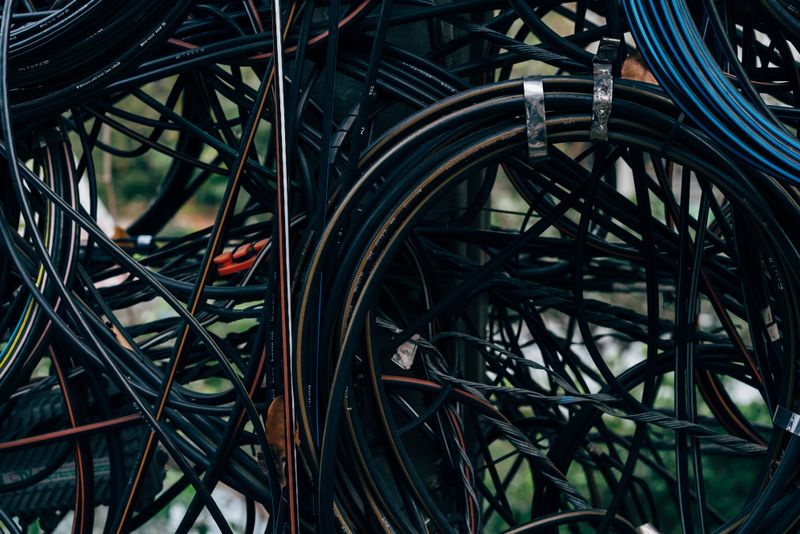
Pulling wire through walls, conduit, and ceiling cavities is a fundamental skill in electrical work — and having the right wire-pulling tools makes the difference between a quick, clean pull and an hour of frustration. This guide covers fish tapes, glow rods, wire-pulling accessories, and how to choose the right tool for each situation.
Fish Tape vs Glow Rods vs Other Methods
Before choosing a specific product, understand the tool categories:
Fish tape — a coiled steel or fiberglass ribbon that navigates through conduit and wall cavities. Ideal for longer runs in conduit, through tight bends, and in situations where stiffness is needed to push around obstacles.
Glow rods — flexible, interlocking fiberglass rods that glow in the dark for visibility. Best for fishing through open wall and ceiling cavities where the path is relatively clear.
Wire mesh grips (Kellems grips) — a woven wire stocking that grips conductors under tension. Used with fish tape or pull line to protect insulation during long conduit pulls.
Mule tape / pull line — braided nylon or polyester cord with known breaking strength. Used for pre-pulling conduit and for handing off the pull to a rope and winch setup.
Lubricant (wire pulling compound) — reduces friction in long conduit runs. Essential for anything over 30 feet or with multiple bends.
Best Steel Fish Tapes
Steel fish tapes are the workhorse of electrical rough-in. The rigidity of steel lets you push around bends in conduit that fiberglass can’t navigate.
Greenlee 50’ Fish Tape (#50LF)
Greenlee is the dominant name in fish tape, and the 50LF is their standard residential model. The 1/8” wide flat steel tape navigates 1/2” and 3/4” EMT easily, and the strong spring steel holds its shape through multiple bends without kinking.
The reel case is durable and the automatic rewind mechanism is smooth. At around $50, this is the tape most residential electricians start with.
Length: 50 feet Material: Spring steel Best for: Residential conduit runs, 1/2”–1” conduit
Greenlee 100’ Fish Tape (#100LF)
The same proven design extended to 100 feet for longer commercial runs. If you regularly pull wire through 50+ feet of conduit, the 100’ version is worth the extra cost. The wider housing is heavier, so most electricians prefer the 50’ for in-wall work and reach for the 100’ only when needed.
Length: 100 feet Material: Spring steel Best for: Commercial conduit runs, longer pulls
Klein Tools 56050 Fish Tape
Klein’s 50-foot steel fish tape is a direct competitor to Greenlee’s standard models. It features a polymer housing with rubberized grip and a fiberglass leader at the tip to reduce the risk of electrical contact while fishing near energized equipment. Comparable performance to Greenlee at a similar price.
Length: 50 feet Material: Spring steel with fiberglass leader Best for: Residential and light commercial use
Best Fiberglass Fish Tapes
Fiberglass fish tapes don’t conduct electricity, making them safer for fishing near energized panels and switching gear. They’re also more flexible than steel, which helps in tight wall cavities with insulation.
Southwire FTP50 Fiberglass Fish Tape
Southwire’s fiberglass tape is a solid choice for residential electricians who want non-conductive safety without sacrificing much navigational stiffness. The 50-foot capacity handles most residential situations, and the flat tape profile allows some stiffness in shorter runs.
Length: 50 feet Material: Fiberglass Best for: Work near energized equipment, residential walls
Ideal Industries 31-050 Tuff-Grip Fish Tape
Ideal’s Tuff-Grip handles are ergonomically superior to most fish tapes on the market. The oversized finger grips are comfortable for extended fishing sessions, and the fiberglass tape is available in lengths from 25 to 100 feet. A solid choice for electricians who value hand comfort.
Length: Available 25–100 feet Material: Fiberglass Best for: Extended fishing sessions, hand comfort priority
Best Nylon Fish Tapes
Nylon fish tapes are the most flexible option. They navigate curves and insulation-filled cavities that would stop steel or fiberglass tapes. The trade-off is less pushability — nylon tapes have limited ability to push past obstructions.
Greenlee Nylon Fish Tape (#50N)
Greenlee’s nylon tape is the go-to when steel and fiberglass can’t make it through. The nylon ribbon follows curves and navigates insulation easily. At 50 feet, it handles most in-wall fishing tasks. Use it when the cavity path is clear but curved — it won’t punch through obstacles the way steel does.
Length: 50 feet Material: Nylon Best for: Finished walls, insulated cavities, curved paths
Best Glow Rods
Glow rods are the preferred tool for fishing open ceiling and wall cavities where a fish tape would bend and bind. The interlocking design allows custom lengths, and the glow-in-the-dark material helps you see the rod tip through small holes.
Klein Tools ET310 Glow Rods
Klein’s 5-rod set (each rod 3 feet) gives 15 feet of combined length. The threaded connectors are secure and the fiberglass rods are flexible enough to navigate around framing without snapping. A hook and flexible leader tip are included for grasping wire.
Pieces: 5 × 3-foot rods (15 feet total) Price: $30–$40 Best for: Fishing through open ceiling and wall cavities
Greenlee 540G Glow Rod Set
Greenlee’s 6-rod set (18 feet total) is slightly longer than Klein’s and uses a robust metal tip connector. The rods are stiffer than Klein’s, which is helpful when pushing around insulation. Includes multiple tip attachments: ball, hook, and flex tip.
Pieces: 6 × 3-foot rods (18 feet total) Price: $40–$55 Best for: Longer cavity runs, situations where stiffness is needed
Southwire GRFK6-1 Running Board Kit
Southwire’s comprehensive kit includes 6 rods plus a running board — a thin, flat board you can slide above drop ceilings to guide wire pulls. The running board is underrated on commercial remodel jobs where wires need to cross ceiling grid sections.
Best for: Commercial T-bar ceiling work, long horizontal runs
Wire Pulling Accessories
The fish tape or glow rod is only part of the system. These accessories make long pulls possible.
Wire Pulling Compound (Lubricant)
Wire pulling compound dramatically reduces friction in conduit — essential for runs with multiple 90-degree bends or longer than 30–40 feet. Standard brands:
- Ideal Yellow 77 — wax-based, works with most insulation types, doesn’t damage insulation
- Greenlee Polywater J — polymer-based, slicker than wax, preferred for large conductors
- Gardner Bender Wire Pulling Gel — economical option for residential work
Apply lubricant to the wire before pulling, and pull compound through the conduit on your fish tape run ahead of the actual pull.
Kellems Wire Mesh Grips
A Kellems grip (woven wire stocking) slides over the conductor bundle and cinches when pulled — the harder you pull, the tighter it grips, without damaging insulation. Essential for:
- Large conductors (2 AWG and larger)
- Long conduit runs where the wire needs to be connected to a pull line
- Situations where a standard hook attachment would damage insulation
Match the grip size to the diameter of your conductor bundle.
Mule Tape (Pull Line)
Pre-string conduit with mule tape (flat polyester pull tape) before the conductors arrive on a job. Mule tape has printed footage markings and a known breaking strength (typically 1,000–2,500 lbs depending on width). The flat profile compresses easily alongside wire in conduit after the pull.
Standard practice: pull a rope through with the first conductor, then use the rope for subsequent pulls.
Choosing the Right Tool for Each Situation
| Situation | Best Tool |
|---|---|
| Short conduit run (under 50 feet) | Steel fish tape |
| Long conduit run with multiple bends | Steel tape + pulling compound |
| Work near energized equipment | Fiberglass fish tape |
| Open ceiling or wall cavity (no obstructions) | Glow rods |
| Finished wall with insulation | Nylon fish tape or glow rods |
| Large conductors (2 AWG+) on long pulls | Mule tape + Kellems grip + compound |
| Pre-stringing empty conduit | Mule tape |
Fish Tape Technique Tips
Getting good at using fish tape takes practice. These techniques help:
In conduit:
- Feed the tape slowly and rotate the reel as you push — rotation helps the tape navigate bends
- If you hit a bend, try withdrawing 6 inches and re-feeding at a slightly different angle
- For double 90s, a flexible leader tip on fiberglass tape helps
- A second person at the far end with a flashlight can watch for the tape and guide it out
In wall cavities:
- Drill your starting hole at a slight downward angle so the tape doesn’t hit the bottom plate
- Use a stud finder to map obstructions before fishing
- Magnetic fish tape locators (such as the Greenlee 50154951) help locate the tape inside a wall without cutting drywall
- A bent tip on the fish tape acts as a hook to catch wire in open cavities
For long horizontal ceiling runs:
- Glow rods work best in 3–6 foot sections; extend only as far as needed
- A ball-tipped rod is easier to steer than a pointed tip in most ceiling applications
- Use a mirror-on-a-stick (dental mirror style) to check around obstructions at box knockout holes
Recommended Starter Kit
For an electrician building out their pulling tools, this combination covers most situations:
- Greenlee 50’ steel fish tape — primary conduit tool
- Klein 5-piece glow rod set — open cavity fishing
- Ideal Yellow 77 pull compound (quart) — conduit lubrication
- Kellems wire grips (1/2” and 1” diameter) — large conductor pulls
- 250’ spool of mule tape — conduit pre-stringing
Total cost: approximately $120–$180, and these tools will last years with basic care.
Wire pulling tools are one area where buying quality pays off immediately. A fish tape that kinks, a glow rod that breaks at the connector, or pull compound that damages insulation costs you far more in time and frustration than the price difference. Start with proven brands and add specialty tools as your work demands them.

Amperage HQ Editorial Team
Independent trade-focused editorial team