Best Multimeter for Electricians 2026
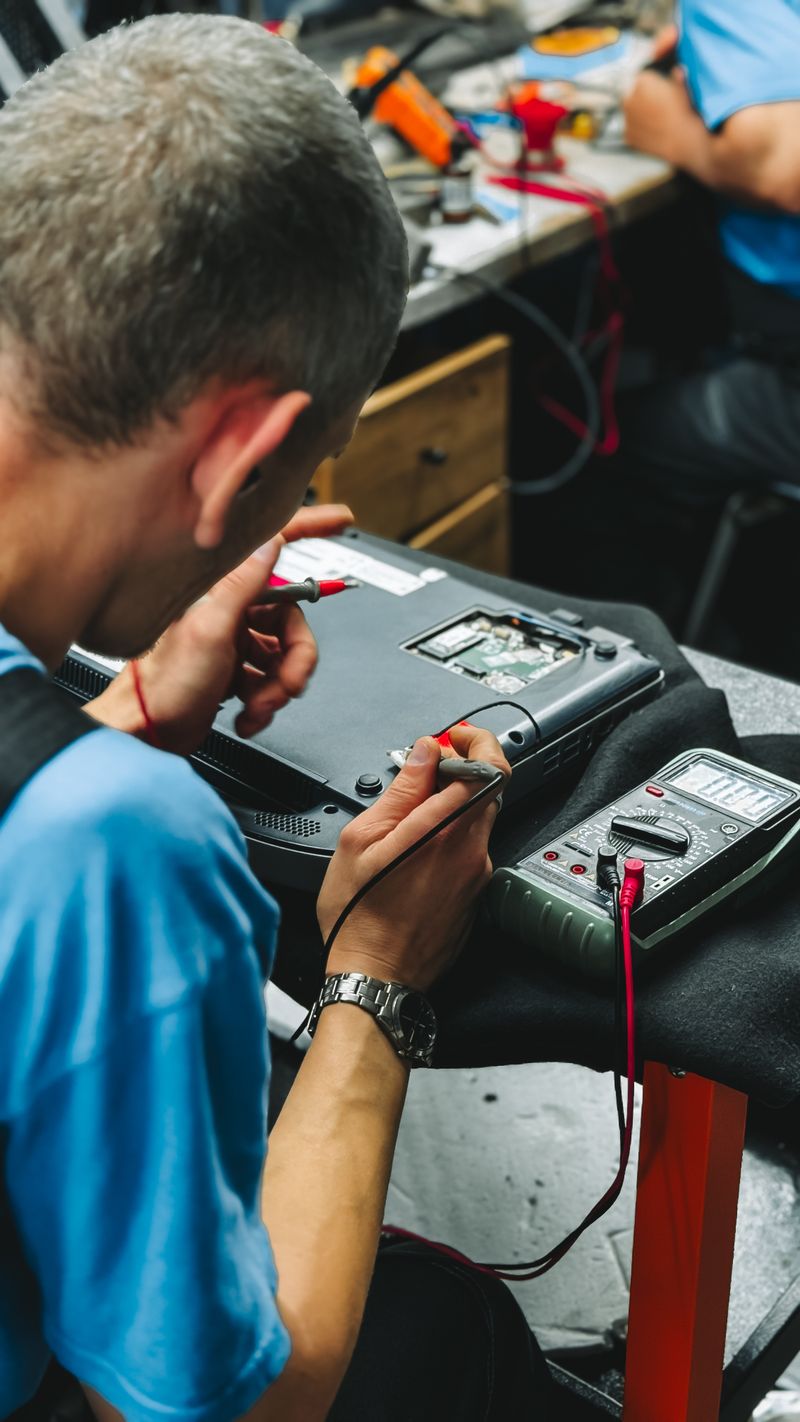
A multimeter is the single most important test instrument in an electrician’s bag. The right meter can diagnose a tricky fault in minutes; the wrong one gives you false readings that waste hours — or gets you hurt. This guide compares the best multimeters across every price tier so you can make an informed choice.
What to Look For in a Multimeter
Before diving into specific models, understand what separates a professional-grade meter from a cheap box-store unit.
Safety Rating (CAT Rating)
The most critical spec on any meter is its CAT (category) rating:
- CAT II — household outlets and portable equipment
- CAT III — distribution wiring, motors, panels
- CAT IV — service entrance, outdoor conductors, utility connections
A meter rated CAT III 600V can handle panel work safely. CAT IV 600V is required for utility-side work. Never use a CAT II meter in a panel — transient voltages can blow right past the meter’s protection.
True RMS vs Average Responding
True RMS meters accurately measure non-sinusoidal waveforms — essential when working on circuits with VFDs, dimmers, motors, or any modern electronics. Average-responding meters underread by up to 40% on such loads. Every professional meter should be true RMS.
Auto-ranging vs Manual Ranging
Auto-ranging selects the correct range automatically. Manual ranging is faster if you already know the expected value. Most modern meters offer both, with auto-range as default.
Key Measurement Functions
- AC/DC voltage
- AC/DC current (built-in clamp or separate probe input)
- Resistance
- Continuity with audible beep
- Diode test
- Capacitance (useful for motor diagnosis)
- Frequency / duty cycle
- Temperature (via thermocouple)
- NCV (non-contact voltage detection)
Display and Data Hold
A large, bright backlit display is essential in dim electrical rooms. Look for a minimum of 4,000 counts — professional meters typically offer 6,000 or more. Data hold, MIN/MAX recording, and relative mode are useful in the field.
Best Multimeters by Price Tier
Budget Tier (Under $60)
Klein Tools MM400
The MM400 is Klein’s entry-level auto-ranging multimeter and delivers surprising value. It’s CAT III 600V rated, true RMS, and includes a backlit display, audible continuity, and NCV detection via the port socket. Measurement categories cover the standard electrician’s needs: AC/DC voltage, resistance, continuity, diode test, and frequency.
Pros: Affordable, rugged housing, CAT III rating Cons: No clamp function, no temperature, 4,000 counts Best for: Apprentices, homeowners doing basic troubleshooting
AstroAI AM33D
At around $30, the AstroAI AM33D gives you true RMS, auto-ranging, and CAT III 600V in a compact package. The display is smaller than Klein’s but readable. It’s a solid backup meter to keep in the truck.
Mid-Range Tier ($60–$150)
Klein Tools MM700
A step up from the MM400, the MM700 adds a CAT IV 600V rating, built-in NCV, and a low battery indicator. The 6,000-count display provides better resolution at the lower end of ranges. It handles temperature with a Type-K thermocouple input and adds capacitance measurement — useful for HVAC work.
Pros: CAT IV rating, true RMS, capacitance, temperature Cons: No built-in clamp function Best for: Journeymen electricians, serious DIYers
Milwaukee 2216-20 (M12 Clamp Meter)
Milwaukee’s cordless-ecosystem clamp meter is a favorite among electricians already invested in M12 tools. The 400A AC/DC clamp eliminates the need for separate clamps on most residential and light commercial work. It’s CAT III 600V, true RMS, and includes a low Z voltage mode to prevent false readings from phantom voltage.
Pros: Built-in clamp, low Z mode, excellent build quality Cons: Larger than a standard DMM, slightly pricier Best for: Field electricians doing mixed troubleshooting and load measurement
Fluke 107
Fluke’s entry into their own lineup, the 107 is a slim, pocket-sized auto-ranging meter rated CAT III 600V and CAT IV 300V. It uses a built-in clamp rated to 200A AC — no separate leads required for current. True RMS, backlit display, and a 10-year warranty make this a compelling value for Fluke quality at a mid-range price.
Pros: Compact, built-in clamp, Fluke reliability, long warranty Cons: 200A clamp limit, smaller display Best for: Electricians who want Fluke quality in a compact package
Professional Tier ($150–$350)
Fluke 117
The Fluke 117 is the gold standard for residential and light commercial electrical work. Designed specifically for electricians, it features:
- AutoVolt — automatically switches between AC and DC
- Low impedance mode (LoZ) — eliminates false voltage readings from phantom voltage and inductive coupling
- CAT III 600V / CAT IV 300V
- True RMS
- 6,000-count display
- Non-contact voltage detector built in
The LoZ mode alone is worth the price premium. Ghost voltages plague electricians using regular meters — the 117 cuts right through them. The ergonomics are excellent, with a one-handed operation design and clear mode labeling.
Pros: LoZ, AutoVolt, excellent ergonomics, industry standard reliability Cons: No clamp function, no capacitance Best for: Residential and commercial electricians as a primary troubleshooting meter
Fluke 116 HVAC
Similar to the 117 but optimized for HVAC technicians with built-in temperature measurement and microamp measurement for flame sensor testing. If you do both electrical and HVAC work, the 116 covers both disciplines.
Klein Tools CL800
Klein’s professional clamp meter competes directly with Fluke’s HVAC/electrical combo meters. The CL800 offers a 1,000A AC clamp, CAT IV 600V rating, true RMS, temperature, frequency, and low impedance mode — all in a package priced below Fluke’s equivalent.
Pros: 1,000A clamp capacity, CAT IV 600V, competitive price Cons: Display not as refined as Fluke Best for: Electricians wanting a high-capacity clamp at a reasonable price
Premium Tier ($350+)
Fluke 87V Industrial
The 87V is Fluke’s flagship for industrial applications. Its key advantages:
- 20,000-count display for exceptional resolution
- True RMS with 100 kHz bandwidth — accurate on high-frequency drives and switching supplies
- Built-in thermometer via Type-K thermocouple
- MIN/MAX/Average recording with 250ms response
- CAT III 1000V / CAT IV 600V
- Audible and visual continuity
The 87V excels on VFD-driven motors, inverters, and industrial control panels where waveform distortion makes lesser meters unreliable. It’s an investment that pays off in industrial environments.
Pros: Exceptional accuracy, VFD-rated, heavy-duty build Cons: Expensive, bulkier than residential meters Best for: Industrial electricians, maintenance technicians
Fluke 376 FC
For electricians who primarily do current measurement alongside voltage work, the 376 FC combines a 1,000A AC/DC iFlex flexible clamp with a full-function DMM in one unit. The iFlex clamp wraps around conductors that won’t fit a standard jaw. Wireless connectivity (Fluke Connect) lets you log readings to your phone.
Pros: iFlex flexible clamp, AC/DC current, wireless logging Cons: Very expensive, overkill for residential work Best for: Commercial/industrial electricians doing load surveys
Fluke vs Klein: Which Brand Should You Choose?
Fluke has been the industry standard for decades. When an electrician says “grab my meter,” they usually mean a Fluke. The 117 and 87V are the most common meters you’ll see on job sites. Fluke’s accuracy, safety testing, and support infrastructure are industry benchmarks.
Klein Tools offers comparable specs at 20–30% lower price points. For many electricians — especially those entering the trade — Klein delivers professional performance without the Fluke premium. The CL800 clamp meter in particular is a standout value.
Milwaukee excels for electricians already using M12 tools. Their meters integrate well with the ecosystem and prioritize durability and field usability.
Bottom line: Buy Fluke if budget allows and you want the industry-standard tool. Buy Klein if you want professional-grade at a lower price. Buy Milwaukee if you’re in the M12 ecosystem.
Recommended Multimeter Sets by Use Case
DIY Homeowner
- Klein MM400 — all you need for outlet testing, voltage checks, and basic diagnostics
Apprentice Electrician
- Klein MM700 — solid CAT IV rating at a fair price, grows with you through the trade
Journeyman/Residential Electrician
- Fluke 117 as primary meter — the LoZ mode alone is worth it
- Klein CL800 as secondary clamp meter for load measurements
HVAC-Electrical Combo Tech
- Fluke 116 — purpose-built for this combination
Industrial Electrician
- Fluke 87V as primary meter
- Fluke 376 FC for current/load work
Meter Accessories Worth Having
- Magnetic hanger strap — keeps your meter at eye level while you work hands-free
- Test lead set upgrade — the leads included with most meters are mediocre; Fluke TL175 or TL71 are significantly better
- Alligator clip adapters — for hands-free voltage monitoring
- Carrying case — protects the meter and keeps leads organized
- Type-K thermocouple — if your meter supports temperature
Maintaining Your Multimeter
A multimeter doesn’t need much maintenance, but a few habits extend its life:
- Replace the battery before it leaks — a leaked battery can destroy the PCB
- Inspect leads regularly — cracked insulation is a safety hazard; replace at the first sign of damage
- Store with fuses on-hand — the current fuse blows if you accidentally measure voltage in current mode; keep spares
- Keep the contacts clean — a pencil eraser works on oxidized battery contacts
- Calibrate annually if accuracy is critical — most electricians calibrate their primary meters yearly
A quality multimeter is a career-long investment. The right meter pays for itself the first time it helps you diagnose a fault quickly or, more importantly, keeps you from making a mistake that endangers you or the installation. Buy the best you can afford — and take care of it.

Amperage HQ Editorial Team
Independent trade-focused editorial team