Grid-Tied vs Off-Grid Solar: Requirements and Cost
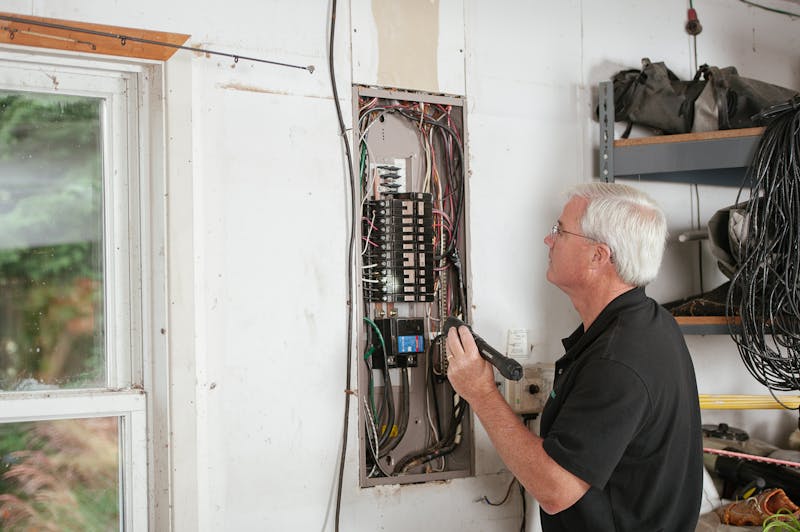
The decision between a grid-tied and off-grid solar system is one of the most consequential choices in a solar installation. It affects system design, equipment selection, cost, reliability, and your relationship with your utility. Understanding the trade-offs clearly is essential before committing to either path.
Grid-Tied Solar: The Standard Residential Installation
A grid-tied solar system remains connected to the utility grid at all times. Solar panels generate DC power, an inverter converts it to AC, and that AC power feeds your home’s electrical panel. Surplus power flows back to the grid; when your panels aren’t producing enough (at night, on cloudy days), you draw from the grid.
How Grid-Tied Systems Work
- Solar panels generate DC electricity proportional to sunlight intensity
- A string inverter or microinverters convert DC to AC at utility frequency (60 Hz in the US)
- The home uses solar power first; surplus flows to the grid through the utility meter
- When solar production is insufficient, the home draws from the grid normally
- The utility meter tracks the net flow — your bill reflects the difference between what you consumed and what you exported
Net Metering
Net metering is the billing arrangement that makes grid-tied solar financially attractive. When your panels produce more than you consume, the excess flows to the grid and you receive a credit on your utility bill. When you draw from the grid, you’re debited. You pay only the net difference.
Net metering policies vary significantly by utility and state. Full retail rate net metering (where export is credited at the same rate as imports) is the most valuable policy. Many utilities have shifted to:
- Net billing: Exports credited at wholesale or “avoided cost” rates (much less than retail)
- Tiered compensation: First X kWh per month exported at retail rate, excess at lower rates
- No net metering: Solar exports not compensated at all (less common in most states)
Before sizing a grid-tied system, understand your utility’s current net metering policy and its likely future direction.
Grid-Tied System Components
- Solar panels: Standard monocrystalline panels (380W–440W per panel common in 2026)
- String inverter: One central inverter (SolarEdge, Fronius, SMA are leading brands) or
- Microinverters: One per panel (Enphase IQ8 is the current standard)
- DC optimizers: Panel-level optimizers paired with a central string inverter (SolarEdge)
- Utility meter: Usually upgraded by the utility to a bidirectional meter
- AC disconnect: Required near the meter for utility access
- Monitoring system: Web-based monitoring of production and consumption
Grid-Tied Without Battery Storage
A standard grid-tied system without batteries has one critical limitation: it shuts off during a power outage. This is required by anti-islanding protection — the inverter must not continue generating when the grid is down to protect utility workers. If you want backup power capability, you need battery storage.
Grid-Tied + Battery Storage
Adding batteries to a grid-tied system creates a “hybrid” or “grid-interactive” configuration. The system can island from the grid during an outage and power critical loads from the battery and solar. This is the fastest-growing segment of the residential solar market.
Hybrid system equipment:
- Solar panels
- Hybrid inverter (e.g., SolarEdge Energy Hub, Enphase IQ8+IQ Battery, Fronius Symo GEN24) that handles both solar conversion and battery management
- Battery storage (Tesla Powerwall 3, Enphase IQ Battery, LG RESU, or others)
- Automatic transfer switch (typically built into the hybrid inverter/gateway)
Off-Grid Solar: Complete Energy Independence
An off-grid solar system has no connection to the utility grid. All energy must be generated and stored on-site. The system must be sized to meet 100% of energy needs through the worst-case seasonal production and storage scenario.
How Off-Grid Systems Work
- Solar panels generate DC electricity
- A MPPT charge controller manages charging of the battery bank (and in some architectures, an inverter handles this)
- Batteries store energy for use when the sun isn’t shining
- An off-grid inverter converts DC battery power to AC for household loads
- When loads exceed battery or solar capacity, a generator (optional but common) provides backup
Off-Grid System Sizing
Off-grid sizing is more demanding than grid-tied sizing because you must cover 100% of consumption, including the worst-case scenario: several consecutive cloudy days in winter when solar production is at its lowest annual point.
The sizing process:
- Determine daily energy consumption (kWh/day) from bills or load inventory
- Identify the worst production month (typically December for northern states)
- Calculate array size needed to meet daily consumption in that worst month
- Calculate battery capacity needed to cover consumption for 3–5 days without solar (autonomy days)
- Size the charge controller and inverter for peak loads and array current
Example: A small home using 20 kWh/day in the Southwest:
- Worst-month sun hours: ~4 peak sun hours/day
- Array needed: 20 kWh ÷ 4 hours = 5,000W (accounting for losses) → ~6 kW array
- 3 days autonomy: 20 kWh × 3 = 60 kWh battery storage needed
This is a substantial battery bank — significantly more than a grid-tied home would use.
Off-Grid Battery Options
Lithium iron phosphate (LFP): The preferred chemistry for residential off-grid. Long cycle life (3,000–6,000 cycles), safe, no off-gassing. Brands: BYD Battery Box, EG4, SOK, Signature Solar
Lead-acid (flooded or AGM): Older technology, much less expensive upfront, but heavier, requires maintenance, shorter cycle life, and only 50% DoD. Often used in budget off-grid builds, but rarely the best long-term value.
System voltage: 48V is the standard for residential off-grid. 12V and 24V systems are limited to lower power outputs.
Off-Grid Inverter/Charger
Off-grid systems use a combined inverter/charger unit that:
- Converts battery DC to AC power for loads
- Charges batteries from a generator (when present) via a built-in charger
- May integrate MPPT solar charging or connect to a separate MPPT controller
Popular off-grid inverters:
- Victron MultiPlus-II (3kVA–15kVA): The industry standard for professional off-grid installations, exceptionally flexible with extensive programming options
- Schneider Electric XW+: Professional-grade, widely used in larger systems
- Outback Power Radian Series: Well-established in the North American off-grid market
- Growatt SPF 5000: Budget-friendly option popular in DIY builds
MPPT Charge Controller
A Maximum Power Point Tracking (MPPT) charge controller is essential for optimizing solar charging efficiency. It operates the panels at their maximum power point regardless of battery voltage.
Popular brands: Victron SmartSolar MPPT, Morningstar, Midnite Solar, Epever
Size the charge controller for the array’s maximum current at peak voltage. A 5kW array at 100V Voc requires a controller rated for at least 50A of charge current at 48V bank voltage.
The Backup Generator: Off-Grid’s Essential Companion
Most off-grid systems include a backup generator for the inevitable extended cloudy periods. The generator charges the battery bank via the inverter/charger’s built-in battery charger.
Generator sizing for off-grid: Size the generator to match the inverter/charger’s AC input rating (typically 20–30A), allowing rapid battery charging when needed.
Propane vs diesel vs gasoline: Propane stores indefinitely and is less flammable than gasoline, making it the most popular choice for permanent off-grid generator installations. Diesel is the most efficient and reliable for larger loads.
Auto-start: Many off-grid systems are programmed to auto-start the generator when battery state-of-charge drops below a threshold (typically 30–50%), preventing deep discharge.
Cost Comparison
Grid-Tied System (No Battery)
| System Size | Estimated Installed Cost | Annual Production | Typical Payback |
|---|---|---|---|
| 5 kW (small home) | $12,000–$17,000 | 6,000–7,500 kWh/year | 6–9 years |
| 8 kW (medium home) | $18,000–$24,000 | 9,600–12,000 kWh/year | 7–10 years |
| 12 kW (large home) | $26,000–$35,000 | 14,400–18,000 kWh/year | 8–11 years |
The 30% federal Investment Tax Credit (ITC) applies to the full installed cost. State credits and local incentives can further reduce net cost.
Grid-Tied + Battery Storage
Add $10,000–$16,000 for one Tesla Powerwall 3 or equivalent, including installation.
Off-Grid System
Off-grid systems are significantly more expensive because:
- The array must be sized for worst-case production, not average
- Large battery banks are expensive (often 30+ kWh of storage needed)
- More complex equipment (charge controllers, off-grid inverters)
- No utility grid as a safety net means over-building is necessary
A modest off-grid home (1,500 sq ft, low consumption) typically costs $35,000–$60,000 for a complete system. A larger off-grid home can easily exceed $100,000.
The elimination of the monthly utility bill partially offsets this cost, but financial payback is longer than grid-tied systems and often secondary to lifestyle motivations.
Grid-Tied vs Off-Grid: Which Is Right for You?
Choose Grid-Tied If:
- Your home is connected to the utility grid and grid connection costs are reasonable
- You want maximum financial return on your solar investment
- Your utility offers favorable net metering
- You want simplicity — fewer components, easier maintenance
- Backup power during outages is a secondary concern (or you’ll add a battery later)
Choose Off-Grid If:
- No grid connection exists and extending the grid would cost more than the off-grid system
- You value complete energy independence regardless of cost
- You’re in a location with frequent, extended power outages where grid-tied backup is insufficient
- Your energy consumption is very low and the system can be kept modest in size
The Hybrid Sweet Spot
For most homeowners, a grid-tied system with battery storage offers the best of both worlds: financial benefits of grid-tied operation, backup power during outages, and the ability to maximize self-consumption. This configuration has become the most recommended option in 2026 for homeowners who want energy resilience without the cost and complexity of full off-grid living.
The decision between grid-tied and off-grid isn’t just technical — it involves lifestyle preferences, financial goals, and location realities. Request written proposals from multiple qualified solar installers who specialize in the type of system you’re considering, verify permits and interconnection responsibilities, and carefully analyze your utility’s current and projected net metering policies before committing to a configuration.

Amperage HQ Editorial Team
Independent trade-focused editorial team