Kitchen Electrical Code Requirements
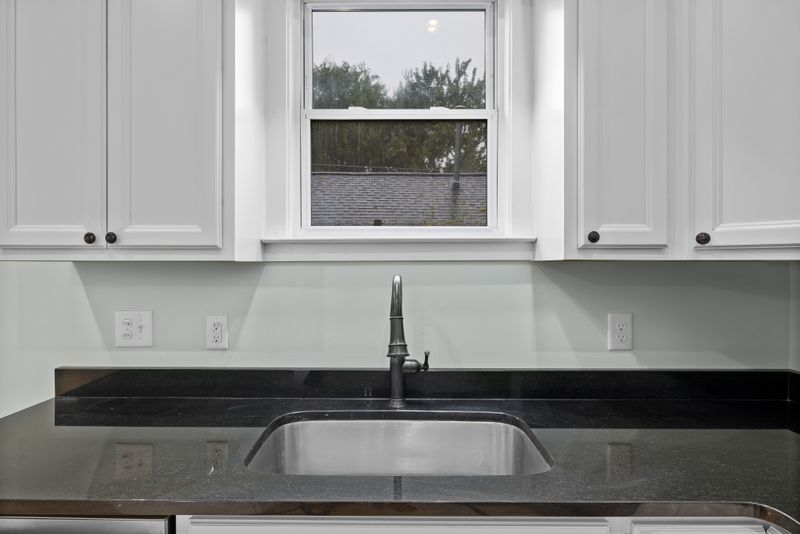
The kitchen is the most electrically demanding room in the house. It concentrates high-draw appliances, wet surfaces, and frequent human activity into a small space — which is why NEC dedicates significant attention to kitchen electrical requirements. Whether you’re renovating, building, or just curious whether your current kitchen meets code, this guide covers everything you need to know.
Note: All requirements reference the 2023 NEC. Local jurisdictions may adopt different versions or have amendments — always check with your local Authority Having Jurisdiction (AHJ).
Small Appliance Circuits: The Two-Circuit Rule
NEC 210.11(C)(1) and 210.52(B)
The NEC requires at least two 20-amp small appliance branch circuits serving kitchen countertop receptacles. These circuits:
- Must be 20A, 120V circuits (requiring 12 AWG wire and 20A receptacles)
- May serve the dining room and pantry as well as the kitchen, but must serve the kitchen countertop areas
- Cannot serve receptacles in other rooms or branch circuit loads unrelated to kitchen appliances
- Cannot serve lighting, garbage disposals, or dishwashers (those get dedicated circuits)
Why two circuits? Modern kitchens run multiple high-draw appliances simultaneously — toasters (1,200W), coffee makers (1,400W), microwaves (1,500W), air fryers (1,700W). Two separate circuits prevent a single tripped breaker from killing all appliance power.
The 20-Amp Requirement
A 15-amp circuit and 15-amp receptacles are not compliant for kitchen countertop receptacles. You need:
- 20A circuit breaker
- 12 AWG wire (minimum)
- 20A or duplex 20A-rated receptacles (the T-shaped slot distinguishes 20A receptacles)
Countertop Receptacle Spacing
NEC 210.52(C)
Receptacles must be positioned so that no point along the wall line of a countertop is more than 24 inches from a receptacle. In practice, this means a receptacle approximately every 48 inches (4 feet) along countertop runs, since each receptacle covers 24 inches on either side.
Additional rules:
- Any countertop section 2 feet or longer must have at least one receptacle
- Peninsula and island countertops have specific rules (see below)
- Receptacles cannot be face-up (horizontal) on countertops — they must be vertical or angled (face-up receptacle covers for islands are acceptable if the receptacle itself is listed for that application)
Island and Peninsula Requirements
Island receptacle (NEC 210.52(C)(2)): Each island with a countertop surface 24 inches or longer and 12 inches or wider requires at least one receptacle. The receptacle cannot be installed in a face-up position in the countertop surface unless it’s a listed countertop receptacle assembly.
Peninsula receptacle: Each peninsula with a countertop 24 inches or longer from the connecting edge, and at least 12 inches wide, requires at least one receptacle on the wall at the connecting edge, or in the countertop surface via an listed countertop box.
GFCI Protection
NEC 210.8(A)(6)
All 15A and 20A, 125V receptacles installed to serve kitchen countertop surfaces require GFCI protection. No exceptions — this applies whether the receptacle is on the countertop itself, on the wall above it, or anywhere within the countertop serving area.
GFCI protection can be provided by:
- GFCI receptacles (most common)
- GFCI breakers (protects the entire circuit)
- GFCI deadface devices (for in-wall GFCI without a face receptacle)
Note: In the 2023 NEC, GFCI protection has been extended significantly — receptacles within 6 feet of a sink (not just countertop receptacles) now require GFCI protection. Check your local code adoption.
Dedicated Circuits for Kitchen Appliances
Many kitchen appliances require or strongly benefit from dedicated circuits:
Refrigerator: 20A Dedicated Circuit
The refrigerator doesn’t require a dedicated circuit under the NEC, but it’s best practice and required by many AHJs. A refrigerator starting compressor draws significant starting current — sharing a circuit with other kitchen loads risks nuisance trips.
- Circuit: 20A, 120V
- Wire: 12 AWG
- Receptacle: Standard duplex 20A (not GFCI required by NEC, but recommended)
Dishwasher: 20A Dedicated Circuit
NEC 210.11 requires a dedicated branch circuit for the dishwasher.
- Circuit: 20A, 120V
- Wire: 12 AWG
- Connection: Either a receptacle (accessible under the sink) or a direct wire connection with a disconnect
Garbage Disposal: 20A Dedicated Circuit
The garbage disposal should have its own dedicated 15A or 20A circuit (20A recommended). The switch is usually a wall switch; GFCI is not required at the disposal itself (it’s not within 6 feet of a sink with accessible sides in most configurations), but check local requirements.
Electric Range or Cooktop: 50A Dedicated Circuit
An electric range requires a dedicated 240V circuit:
- Circuit: 50A, 240V (double-pole breaker)
- Wire: 6 AWG copper (or equivalent aluminum)
- Receptacle: NEMA 14-50 (4-prong) — required for new installations
- Note: Older homes may have 3-prong NEMA 10-50 receptacles with no equipment ground. This is no longer compliant for new work.
Gas Range: 20A Circuit for Ignition and Lighting
Gas ranges use electricity for ignition and lighting. A standard 15A or 20A, 120V circuit is sufficient.
Microwave: 20A Dedicated Circuit
Over-the-range and large countertop microwaves (1,000W+) should have their own 20A, 120V circuit. Some local codes and appliance manufacturers require a dedicated circuit.
Built-In Oven: 50A Dedicated Circuit
Similar to an electric range — requires a 240V circuit, typically 40A or 50A depending on the oven.
AFCI Requirements in the Kitchen
NEC 210.12
The 2023 NEC requires AFCI protection on all 15A and 20A, 120V branch circuits in kitchens. This is a significant change from earlier editions. The most common approach is AFCI/GFCI combination breakers (a single breaker that provides both protections), or AFCI breakers with GFCI receptacles.
Note: Many jurisdictions are still on the 2020 or earlier NEC, which didn’t require AFCI in kitchens. Confirm your local adoption.
Lighting Requirements
Kitchen lighting circuits are separate from small appliance circuits. The NEC doesn’t specify a minimum lighting level for kitchens (that’s typically architectural), but:
- Lighting circuits are usually 15A, 120V (14 AWG)
- Lighting in the kitchen doesn’t require GFCI unless the fixture is over a sink or countertop
- Under-cabinet lighting, if hardwired, follows the same rules as other luminaires
Kitchen Self-Audit Checklist
Use this checklist to assess your current kitchen’s code compliance:
Circuits:
- At least two 20A small appliance circuits serving countertop receptacles
- Refrigerator on its own dedicated circuit
- Dishwasher on a dedicated 20A circuit
- Garbage disposal on a dedicated circuit with wall switch
- Electric range on a 240V, 50A dedicated circuit with 4-prong receptacle
- Microwave on its own circuit (if over-the-range or 1,000W+)
Receptacles and GFCI:
- All countertop receptacles are GFCI protected
- No point along the countertop wall is more than 24 inches from a receptacle
- Island/peninsula has at least one receptacle
- Countertop receptacles are 20A rated (T-slot configuration)
- No face-up receptacles in countertop surface (unless listed countertop assembly)
Wiring:
- Small appliance circuits use 12 AWG (not 14 AWG) wire
- Connections at all outlet boxes are tight and properly made up
General Safety:
- Panel circuits are labeled accurately for kitchen circuits
- No extension cord use for permanent appliance connections
- All outlet covers and switch plates in place
Common Kitchen Electrical Code Violations
1. Only One Small Appliance Circuit
Older homes often have a single 15A circuit serving all kitchen receptacles. This violates both the two-circuit requirement and the 20A minimum.
2. 14 AWG Wire on Kitchen Receptacle Circuits
Using 14 AWG wire on circuits that must be 20A. A 14 AWG wire on a 20A breaker is a fire hazard and a code violation.
3. Missing GFCI Protection
Countertop receptacles without GFCI protection are among the most common violations in older kitchens. Adding GFCI receptacles or a GFCI breaker on each circuit corrects this.
4. Face-Up Receptacles Without Listed Enclosures
Pop-up receptacles in island countertops are popular but must use listed countertop assemblies — not standard receptacles in a standard box.
5. Refrigerator or Dishwasher Sharing a Circuit
Both appliances should be on dedicated circuits. Sharing creates nuisance trips and reduces protection for both appliances.
Kitchen electrical upgrades are among the most valuable home improvements, both in terms of safety and in terms of supporting modern appliance loads. If your kitchen was wired before the 1990s, it’s worth having a licensed electrician evaluate the existing wiring against current requirements.

Amperage HQ Editorial Team
Independent trade-focused editorial team