LED vs CFL vs Incandescent: Complete Comparison
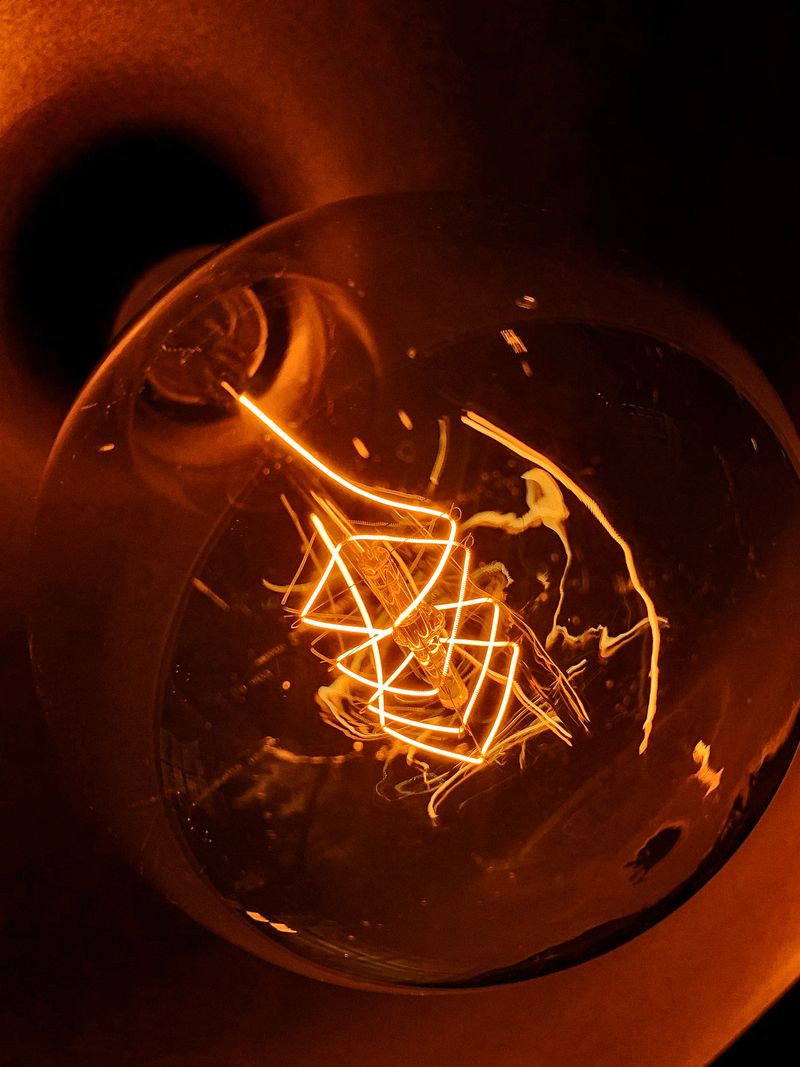
The incandescent light bulb had a 130-year run as the dominant artificial light source before LED technology finally displaced it. If you still have incandescent or CFL bulbs in your home, understanding the full picture — energy cost, light quality, lifespan, and environmental impact — makes the case for switching clearer than ever.
The Three Technologies
Incandescent
The classic incandescent bulb works by passing electrical current through a thin tungsten filament inside a glass envelope filled with inert gas. The resistance heats the filament to approximately 2,700K (about the temperature of glowing embers), producing both light and significant heat.
How it works: About 5% of consumed energy is converted to visible light. The other 95% becomes heat — which is why a 60W incandescent bulb produces nearly 60W of heat into the room.
Status in 2026: The Biden administration’s DOE rule finalized in 2023 effectively ended general purpose incandescent production and importation in the US market. While incandescents may still be found in some retail channels or specialty applications (appliance bulbs, decorative, theatrical), they’re no longer a practical choice for general lighting.
CFL (Compact Fluorescent Lamp)
CFLs were the bridge technology between incandescent and LED. They work by exciting mercury vapor with electrical current, producing ultraviolet radiation that causes a phosphor coating on the inside of the tube to fluoresce as visible light.
How it works: Approximately 20–25% of consumed energy becomes visible light — 4–5× more efficient than incandescent.
Current status: CFLs have been largely displaced by LED. They use hazardous mercury (requiring specific disposal as hazardous waste), take time to reach full brightness, and their light quality is generally inferior to modern LEDs. They remain in some commercial applications but are no longer recommended for residential use.
LED (Light Emitting Diode)
LEDs produce light through electroluminescence — electrical current excites semiconductor materials that emit photons directly. Modern “white” LEDs use a blue LED chip with a phosphor coating that converts some blue light to other wavelengths, resulting in a broad, white spectrum.
How it works: Approximately 40–60% of consumed energy becomes visible light (depending on design and application). LED efficiency continues improving annually.
Current status: LED is the dominant and recommended technology for virtually all residential lighting applications in 2026.
Side-by-Side Comparison
Efficiency
| Technology | Lumens per Watt (typical) |
|---|---|
| Incandescent A19 (60W) | 10–15 lm/W |
| CFL 14W (60W equivalent) | 55–65 lm/W |
| LED A19 (8–10W, 60W equivalent) | 75–110 lm/W |
| LED (premium high-efficacy) | 130–200+ lm/W |
Modern LEDs produce 7–15× more light per watt than incandescents. Even compared to CFL, LED delivers 25–100% more lumens per watt depending on the specific products.
Lifespan
| Technology | Rated Lifespan |
|---|---|
| Incandescent | 750–2,000 hours |
| CFL | 6,000–15,000 hours |
| LED | 15,000–50,000 hours |
An LED rated at 25,000 hours at 3 hours per day would last over 22 years. In practice, driver electronics often limit real-world life, but 10–15 year lifespans are realistic for quality LEDs.
Light Quality Metrics
CRI (Color Rendering Index): Measures how accurately the light source renders colors compared to natural daylight (CRI 100).
| Technology | Typical CRI |
|---|---|
| Incandescent | 100 |
| CFL | 80–85 |
| Standard LED | 80–90 |
| High-CRI LED | 90–98 |
High-CRI LEDs (90+) are readily available and noticeably better for kitchens, bathrooms, art display, and anywhere accurate color perception matters. Look for “High CRI” or “90+ CRI” on LED packaging.
Color Temperature (CCT): Measured in Kelvin — lower is warmer/yellower; higher is cooler/bluer.
- Incandescent: Always 2,700K
- CFL: 2,700K–5,000K available, though color consistency varies
- LED: Full range from 1,800K (candle-like) to 6,500K (daylight), and tunable white LEDs that cover the full range
Dimming
| Technology | Dimming Performance |
|---|---|
| Incandescent | Excellent — smooth from full bright to very dim |
| CFL | Poor — most don’t dim; those that do often flicker and don’t go low |
| LED | Good to excellent (varies by product and dimmer compatibility) |
LED dimming has improved substantially since early LED products. With a compatible LED-rated dimmer (Lutron Caseta, Leviton DVCL) and a quality LED bulb, dimming performance approaches incandescent quality. Always check LED bulb/dimmer compatibility lists.
Start Time
- Incandescent: Instant
- CFL: 30 seconds to 2 minutes to reach full brightness in cold temperatures
- LED: Instant (or less than 1 second)
CFL’s slow warm-up time was always one of its most frustrating characteristics, especially in cold basements and garages. LED eliminates this problem.
10-Year Cost Analysis
Per Bulb (Based on 1,000 Hours/Year Usage, $0.15/kWh)
60W Equivalent (800 lumens)
| Incandescent | CFL | LED | |
|---|---|---|---|
| Wattage | 60W | 14W | 8W |
| Annual energy cost | $9.00 | $2.10 | $1.20 |
| 10-year energy cost | $90 | $21 | $12 |
| Bulbs needed (10yr) | 5–13 | 1 | 1 |
| Bulb cost (10yr) | $5–$15 | $3–$8 | $5–$12 |
| Total 10-year cost | $95–$105 | $24–$29 | $17–$24 |
For a typical home with 20 bulbs:
- Incandescent: $1,900–$2,100 over 10 years
- CFL: $480–$580 over 10 years
- LED: $340–$480 over 10 years
LED saves approximately $1,400–$1,600 compared to incandescent over 10 years per 20-bulb home.
Payback Period for Switching to LED
If you have 20 incandescent bulbs currently, replacing them all at once costs approximately $100–$200 for LED bulbs. You begin saving immediately — at the above rates, payback occurs in less than one year.
LED Bulb Selection Guide
A-Line (A19/A21) Bulbs
The standard “regular” bulb shape. 800 lumens is the 60W equivalent; 1,100 lumens is the 75W equivalent; 1,600 lumens is the 100W equivalent.
Recommended:
- Philips 60W Equivalent LED (A19, 2700K, 8W): Widely available, good quality, around $3–$5 per bulb
- GE Reveal HD+ LED (A19, 90 CRI): Higher CRI for better color rendering, around $5–$7 each
- Cree A19 (high-lumen, long warranty): Cree offers one of the longest warranty claims in LED bulbs
Reflector Bulbs (PAR, BR, MR)
For recessed cans, track lighting, and spotlights:
- BR30 (6” recessed cans): 650 lumens standard equivalent
- PAR20 (4” cans, accent): 350–500 lumens
- PAR38 (outdoor spots): 1,000–1,400 lumens
- MR16 (low voltage, 12V): Landscape and track lighting
Recommended:
- Philips 65W Equivalent BR30: Reliable, good color, around $4–$6 each
- Hyperikon PAR30 90 CRI: Higher CRI for accent lighting, around $8–$12 each
Globe Bulbs (G25)
For vanity lighting, pendant fixtures. G25 provides 360° illumination like incandescent globes.
Recommended: Sunco Lighting G25 LED — affordable, good CRI, multiple color temperatures available
Candelabra (E12 base)
For chandeliers, sconces, and decorative fixtures with small base sockets.
Recommended: Philips or GE LED Candelabra bulbs — look for “flame tip” styling for chandeliers
Filament-Style (Vintage/Edison LED)
Edison-style LED bulbs mimic the look of vintage filament bulbs while consuming a fraction of the energy. Lower efficiency than standard LEDs (because the visible filament design limits the phosphor area), but offer the vintage aesthetic.
Recommended: Feit Electric Edison LED Bulbs — widely available, authentic look, reasonable longevity
Smart LED Bulbs
Wi-Fi or Bluetooth enabled LED bulbs offer dimming, color temperature adjustment, and sometimes full RGB color — all controlled by smartphone or voice assistant.
Philips Hue White and Color Ambiance: The premier smart bulb system with deep ecosystem and app support. A19, BR30, and specialty forms available. Requires Hue Bridge for full functionality. Around $15–$55 per bulb.
Govee Smart Bulbs: More affordable Wi-Fi bulbs without requiring a hub. Good for those who want smart lighting without a significant investment.
Sengled Zigbee Smart Bulbs: Work with SmartThings, Alexa, and other Zigbee hubs without requiring a proprietary hub.
Special Applications Where LED Isn’t Always the Answer
Applications Where Incandescent May Still Be Required
- Oven and range hood bulbs: Must withstand high temperatures. LED oven bulbs exist but verify temperature rating matches the application.
- Refrigerator/freezer bulbs: LED works at refrigerator temperatures; not all LEDs work reliably at freezer temperatures. Choose LEDs specifically rated for cold temperatures.
- 3-way sockets: 3-way LED bulbs are available but verify the socket and switch work correctly.
- Dimmer compatibility: Some older dimmers still cause issues with some LED bulbs. The solution is upgrading the dimmer, not using incandescent.
Outdoor Lighting in Cold Climates
Most LEDs work fine in cold temperatures and actually perform slightly better (LEDs are more efficient when cool). However, some LED fixtures with enclosed drivers can have cold-start issues below -20°F. Choose LEDs specifically rated for the lowest expected temperatures in your climate.
CFL Disposal (Hazardous Waste)
CFLs contain mercury — approximately 4 mg per bulb. They must not be thrown in regular trash:
- Home Depot and Lowes accept CFL bulbs for recycling in most locations
- EPA’s Lamp Recycler Locator (lamprecycler.org) lists local options
- Mail-in recycling: Companies like Veolia and TerraCycle offer CFL mail-in programs
Proper disposal prevents mercury contamination. If a CFL breaks, follow EPA guidelines: ventilate the room, collect fragments carefully, and dispose of in a sealed bag.
Switching to LED is the single highest-return lighting investment a homeowner can make. If you have any remaining incandescent bulbs, replace them now — the savings begin immediately and the payback period is shorter than most people expect. And if you still have CFLs, replace those too: LED’s superior light quality, instant start, dimmability, and longer lifespan make CFL essentially obsolete.

Amperage HQ Editorial Team
Independent trade-focused editorial team