Whole-House Generator Sizing Guide
Quick answer
A whole-house generator should be sized from the loads you actually want to run, including starting surge for motors and HVAC equipment. Critical-load coverage is often more practical than trying to power every circuit at once.
Common questions
- Should a generator power the whole panel?
- Not always. A managed or critical-load setup can keep refrigeration, lights, heat, medical devices, internet, and selected outlets running without oversizing the generator.
- Why do motor loads matter for generator sizing?
- Motors and compressors can draw much higher current at startup than while running. HVAC equipment, well pumps, and sump pumps must be considered for surge capacity.
Source note: Reviewed July 2026 against the article guidance and common residential electrical safety practice; local code, permits, and a licensed electrician should control final wiring work.
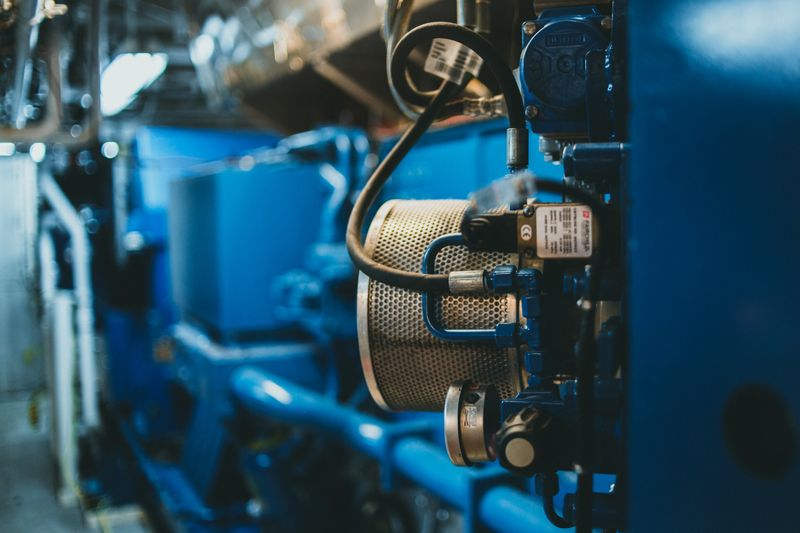
A power outage lasting hours is an inconvenience. One lasting days — from a hurricane, ice storm, or grid failure — can mean spoiled food, frozen pipes, a non-functional well pump, or lost access to life-sustaining medical equipment. A properly sized whole-house generator eliminates all of that.
But sizing a generator incorrectly is an expensive mistake. Too small and it can’t support your loads — or worse, runs under load and damages equipment. Too large and you’ve paid for capacity you’ll never use while burning more fuel than necessary. This guide walks through the sizing process step by step.
Standby Generator vs Portable Generator
Before sizing, decide which type of generator fits your situation.
Standby Generators (Home Generators)
Standby generators are permanently installed, connected to natural gas or propane, and start automatically when the utility power fails — typically within 10–30 seconds.
Advantages:
- Automatic operation — no action needed during outage
- Fuel supply is essentially unlimited (connected to gas line or large propane tank)
- Weather-protected in a permanent enclosure
- Sized for full-house loads — can power everything simultaneously
- Higher output — typically 7.5 kW to 22 kW for residential
Disadvantages:
- Significant installation cost ($3,000–$15,000+ installed)
- Requires a licensed electrician and often a gas contractor
- Annual maintenance required
Portable Generators
Portable generators run on gasoline (or dual-fuel with propane). You roll them out during an outage, connect loads via extension cords or a manual transfer switch, and manually fuel them.
Advantages:
- Much lower purchase price ($500–$3,000)
- Can be used at job sites and remote locations
- No installation required (though a transfer switch is strongly recommended)
Disadvantages:
- Must be operated outdoors — carbon monoxide risk
- Limited run time (6–12 hours per tank)
- Loud and inconvenient during extended outages
- Cannot run all loads simultaneously — requires load management
Bottom line: If you want reliable, automatic, whole-house backup power, a standby generator is the right choice. If you need emergency backup for essential circuits only and want to minimize cost, a properly connected portable generator works.
Step 1: Inventory Your Electrical Loads
The foundation of generator sizing is a load inventory. List every electrical device you want to run during an outage, and find the wattage for each.
Essential Load Categories
HVAC:
- Central air conditioning — typically 2,500–5,000 watts running, 7,500–10,000 watts starting surge
- Heat pump — similar to AC
- Gas furnace (blower only) — 400–800 watts running
- Electric heat — extremely high demand; often excluded from generator loads
Refrigeration:
- Refrigerator — 150–400 watts running, 800–1,200 watts starting
- Chest or upright freezer — 100–300 watts running
Kitchen:
- Microwave — 1,000–1,500 watts
- Electric range or oven — 1,000–5,000 watts per burner/element (usually excluded from generator sizing)
- Dishwasher — 1,200–2,400 watts
Water:
- Well pump — 750–2,000 watts running, 2,000–5,000 watts starting surge
- Sump pump — 400–1,000 watts running, 1,000–2,000 watts starting
Lighting:
- LED lighting loads are minimal — budget 500–1,000 watts for whole-house basic lighting
Electronics and Communication:
- Computers, TVs, routers — 100–500 watts total typical household
Medical Equipment:
- CPAP/BiPAP — 100–400 watts
- Oxygen concentrator — 150–600 watts
- Home dialysis — check specific equipment specs
Step 2: Understand Running Watts vs Starting Watts
Every motor-driven device (refrigerators, air conditioners, well pumps, sump pumps) requires significantly more power to start than to run. This starting surge (also called inrush current) typically lasts less than a second but can be 2–3x the running wattage.
Your generator must handle the highest starting surge of any single device, added to the total running watts of everything else operating at that moment.
Example:
- Central AC running: 3,500 watts
- Refrigerator running: 200 watts
- Lights: 400 watts
- Total running load: 4,100 watts
- AC starting surge (AC starts while everything else is running): 8,000 watts
- Peak demand when AC starts: ~12,000 watts
This is why a generator that covers your “running” loads may fail when the AC cycles on — you need to account for the starting surge.
Soft-Start Kits
Modern inverter generators and some standby generators can power loads they couldn’t otherwise handle because they more gently ramp up voltage. Soft-start kits (such as the MicroAir EasyStart for mini-splits and window AC units) dramatically reduce starting current — down to 60% or more. If motor starting surge is limiting your generator choice, a soft-start kit for the AC is worth investigating.
Step 3: Prioritize Your Loads
For most homes, running everything simultaneously during an outage is neither necessary nor practical. Prioritize:
Tier 1 — Life and Safety:
- Well pump or sump pump
- Medical equipment
- Basic lighting
- Communication (phones, internet)
Tier 2 — Comfort and Food Safety:
- Refrigerator and freezer
- Furnace/heat pump
- One bathroom and kitchen
Tier 3 — Full Comfort:
- Central AC
- Multiple appliances
- All rooms lit
A whole-house standby generator is sized for Tier 2 or Tier 3 operation. A portable generator is typically sized for Tier 1 or partial Tier 2.
Step 4: Calculate the Required Generator Size
For Essential Circuits Only (Partial Load)
Add up the running watts of your Tier 1 and Tier 2 loads, then add the starting surge of the largest single motor:
Example (essential loads):
- Well pump running: 1,000 W
- Refrigerator: 200 W
- Furnace blower: 600 W
- Lights: 400 W
- Total running: 2,200 W
- Well pump starting surge: 3,000 W additional
- Peak demand: 5,200 W
A 5,500–6,500 watt generator handles these loads comfortably.
For Whole-House Operation (All Loads)
Add your total running load, then add the largest starting surge (typically the central AC):
Example (whole-house):
- AC running: 4,000 W
- Refrigerator: 200 W
- Well pump: 800 W
- Furnace fan: 600 W
- Lights and electronics: 800 W
- Total running: 6,400 W
- AC starting surge: add 5,000 W
- Peak demand: 11,400 W
A 12–14 kW standby generator handles this load. For most medium-sized homes (1,500–2,500 sq ft) with central AC, a 14 kW standby generator is the most common choice.
Standard Sizing by Home Size
| Home Size | Recommended Standby Generator Size |
|---|---|
| Under 1,500 sq ft | 7.5–10 kW |
| 1,500–2,500 sq ft | 10–16 kW |
| 2,500–3,500 sq ft | 16–20 kW |
| 3,500+ sq ft | 20–22 kW + |
| Large appliances (EV charger, hot tub) | Add 3–5 kW per large load |
Popular Standby Generator Models
Generac 7043 22kW (Guardian Series)
Generac is the most widely installed standby generator brand in the US. The 22kW Guardian is their flagship residential unit, powered by a 999cc Generac-built engine running on natural gas or LP. It includes WiFi monitoring via the Mobile Link app, automatic weekly self-testing, and a 5-year limited warranty.
Rated power: 22 kW (natural gas), 19.5 kW (LP) Best for: Large homes, those who want Generac’s nationwide service network
Generac 7031 11kW
For homes that don’t need the full 22kW, the 11kW Guardian is a more economical option that still handles most whole-house loads except simultaneous high-demand appliances. The same auto-transfer, WiFi monitoring, and warranty as the larger units.
Best for: Medium homes with manageable AC loads
Kohler 14RESAL
Kohler’s residential standby generators are known for their build quality and the onboard Decision-Maker controller that manages utility monitoring and transfer. The 14kW model handles most residential loads and uses a fast 10-second transfer time.
Best for: Homeowners who prioritize build quality and fast transfer time
Briggs & Stratton 040626
Briggs & Stratton’s standby line offers competitive pricing and solid reliability. The 10kW model is a value leader for essential-circuit coverage in smaller homes.
Best for: Budget-conscious buyers who want a reputable brand
Installation Requirements
A standby generator installation involves multiple trades and several permits:
Electrical: Transfer switch installation (either a manual transfer switch panel or automatic transfer switch), generator interconnect wiring. Requires a licensed electrician and typically an electrical permit.
Gas/Plumbing: Natural gas line sizing and extension to the generator location, or LP tank installation. Requires a licensed plumber or gas contractor.
Mechanical: Generator pad and enclosure installation. Some jurisdictions require specific setbacks from windows, doors, and gas meters.
Permits: Most jurisdictions require a permit for generator installation. Expect inspections of both electrical and gas work.
Utility notification: Some utilities require notification when a generator with automatic transfer is installed, to protect line workers from backfeed during maintenance. An approved transfer switch prevents backfeed automatically.
Generator Maintenance
Standby generators require regular maintenance to be reliable when you need them:
- Weekly self-test — built into modern generators; run under a light load to keep the engine ready
- Annual oil and filter change — typically every 200 hours or annually, whichever comes first
- Spark plug replacement — every 2 years or per manufacturer schedule
- Air filter inspection — annually or when operating in dusty conditions
- Load bank test — every 1–2 years for larger commercial units; optional but useful for residential
Most generator installers offer annual maintenance contracts — worth considering if you’re not mechanically inclined.
Sizing a whole-house generator correctly is a meaningful investment that protects your family and property during extended outages. Get multiple installer quotes, verify the installer is licensed and familiar with your generator brand, and make sure all permits and utility notifications are completed properly.

Amperage HQ Editorial Team
Independent trade-focused editorial team