GFCI outlet keeps tripping: Safe next steps
Quick answer
A GFCI that keeps tripping is responding to detected current leakage or a device or circuit problem. Do not bypass it or keep resetting it. Use the trip timing, connected load, weather, and visible device status to document the pattern, then leave persistent, wet, hot, damaged, or fixed-wiring faults to a licensed electrician.
Common questions
- Why does my GFCI keep tripping with nothing plugged in?
- The GFCI may also protect downstream outlets or fixed equipment, so an unseen load, moisture, damaged wiring, a neutral-to-ground fault, or a failing GFCI can still cause a trip. Leave it tripped after one manufacturer-approved check and arrange licensed diagnosis.
- Why does the GFCI trip but the breaker stays on?
- A GFCI looks for an imbalance between current leaving and returning on the circuit, while an ordinary breaker primarily responds to overloads and short circuits. A leakage fault can therefore trip the GFCI without operating the ordinary breaker.
- Can a refrigerator make a GFCI outlet trip?
- Yes. A trip associated with compressor startup, defrost heat, moisture, a damaged cord, or another operating phase is useful evidence of an appliance or circuit fault. Stop using the suspect connection and call an appliance technician or licensed electrician; do not move it to unprotected power as a test.
- Should I replace a GFCI that keeps tripping?
- Not until the cause is identified. The GFCI may be correctly responding to an appliance, moisture, downstream, or wiring fault. A persistent fault indicator, failed manufacturer test, or reset lockout can point to device replacement, but a qualified electrician should also verify the circuit.
Source note: Reviewed November 23, 2026 against current CPSC GFCI safety material, Leviton GFCI support and device instructions, and NFPA code-adoption guidance. Status lights and test procedures are model-specific; the exact manufacturer instructions and locally adopted electrical code control.
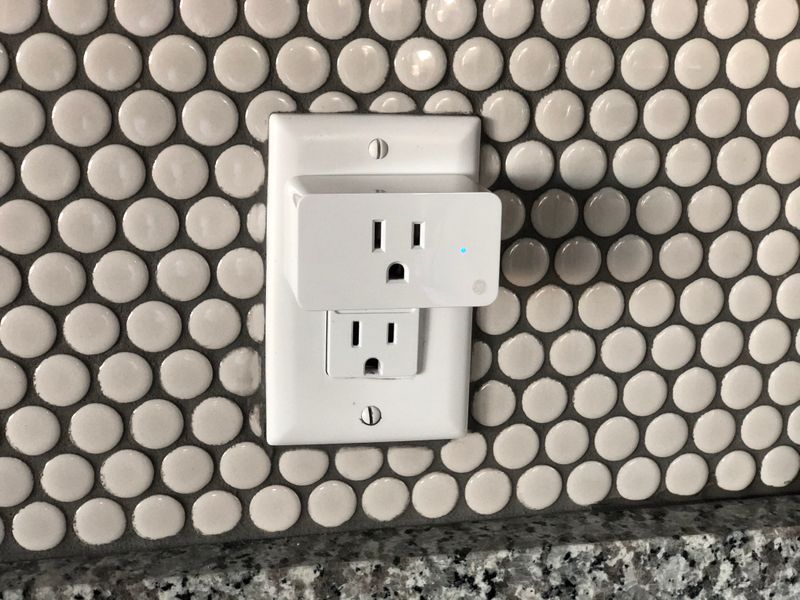
A GFCI outlet that keeps tripping is making a protective response to detected current leakage, or reporting a device or circuit problem. Do not tape or hold RESET, keep resetting it, bypass the protection, or move the load to an unprotected outlet. Trip timing can narrow the category, but it does not make live electrical testing safe.
First, identify what actually tripped
Use visible labels and controls only. Keep the panel and every electrical box closed.
| Protective device | What you can see | Where it interrupts power |
|---|---|---|
| GFCI receptacle | TEST and RESET buttons on the receptacle face | Its own face and, when wired that way, other outlets downstream |
| GFCI breaker | A breaker with a TEST button and GFCI or ground-fault marking | The protected circuit from the panel |
| AFCI breaker | AFCI, arc-fault, or combination AFCI marking | A circuit when it detects qualifying arcing, plus ordinary breaker faults |
| Dual-function breaker | Both AFCI and GFCI functions identified on the label | A circuit with both arc-fault and ground-fault protection |
Do not assume every breaker with a TEST button is a GFCI. If the device is marked AFCI and the trip is arc-fault-specific, follow the AFCI breaker tripping guide instead. If markings are unclear, photograph them from a safe position for the electrician rather than removing a cover.
Why the ordinary breaker may stay on
A GFCI and an ordinary breaker watch for different problems. The GFCI compares current leaving on the ungrounded conductor with current returning on the grounded conductor and opens when enough current takes another path. An ordinary breaker primarily responds to overload and short-circuit current.
That is why a small leakage path can trip a GFCI while the ordinary breaker handle remains ON. The CPSC’s GFCI fact sheet explains the shock-protection role and manufacturer-style TEST/RESET check; it does not make repeated resetting a diagnostic method.
Stop before any reset when there is danger
Do not touch the outlet, plug, appliance, or panel when the area or your hands are wet. Leave the circuit off and arrange urgent licensed-electrical help for:
- Water at or behind a receptacle, cover plate, appliance, panel, or other electrical equipment
- Heat, discoloration, melting, a burning odor, buzzing, crackling, sparks, or damaged parts
- A shock or tingling sensation from an appliance, metal surface, water, or the ground
- A loose receptacle, broken button, or cord or plug with cuts, crushing, scorch marks, or exposed parts
- An immediate repeat trip, a failed TEST function, or a persistent fault or end-of-life indication
For smoke, flame, or active arcing, move away, get everyone outside, and call 911. Do not operate nearby electrical equipment.
Use the trip timing to choose the safe next step
The pattern is evidence for a service call, not proof that one component has failed.
It trips immediately after RESET
When the device and surrounding area are dry and intact and there are no warning signs, unplug accessible cord-connected loads supplied by the affected area. Then follow the instructions for that exact device for one face-button check.
If it trips immediately again, leave it tripped. A downstream fault, moisture, fixed equipment, damaged wiring, neutral-to-ground connection, or failed GFCI can all produce this pattern. If it will not latch at all, use the separate GFCI will not reset guide rather than trying again.
It trips with one appliance or cord
If the trip followed plugging in or switching on one appliance, unplug that item only when the plug, cord, floor, and your hands are dry and there is no damage, heat, or odor. Stop using it and record its make, model, and operating state.
Do not move the appliance to a non-GFCI outlet, adapter, power strip, or extension cord to “prove” the theory. A different power source can expose another circuit or person to the same fault. Appliance service or an electrician can determine whether the fault is in the item, receptacle, or circuit.
It trips when an appliance starts or heats
A delayed trip can line up with a motor starting, a refrigerator entering defrost, a coffee maker or dishwasher heating water, a pump cycling, or outdoor equipment switching on. The useful clue is which operating phase began just before the trip.
Do not repeatedly recreate the event. Record the delay, sound or indicator that preceded it, and whether the appliance had recently been moved, cleaned, wet, or serviced. For a refrigerator, protect food using manufacturer or food-safety guidance while qualified service evaluates the electrical fault; do not run it from an unprotected outlet or temporary cord.
It follows rain, a storm, cleaning, or a leak
Treat a weather-linked trip as possible moisture exposure even if the GFCI is in a dry garage, bathroom, or basement. One receptacle can protect outdoor outlets, lights, a garage-door opener, or other points in a different area.
Stay away from wet equipment and leave the protection tripped. Note the rainfall timing, wind direction, sprinkler use, pressure washing, leak, and everything that lost power. The rain-related breaker guide explains the broader moisture handoff without authorizing a dry-weather reset.
It trips with nothing obvious plugged in
“Nothing plugged into this outlet” does not mean the protected path has no load. The same GFCI may feed ordinary-looking downstream receptacles, fixed equipment, exterior outlets, or an automatic appliance elsewhere.
Do not open the receptacle or disconnect downstream wiring. List every dead outlet and fixed load you can identify through normal switches and safe observation. If the GFCI trips with accessible cord-connected loads unplugged, leave it off for an electrician to isolate.
It began after a power outage
Note whether the GFCI tripped while power was out, when service returned, or when an automatic load restarted. A simultaneous refrigerator, pump, heater, or outdoor-equipment startup can reveal a repeatable timing clue, while some devices use model-specific power-loss or lockout behavior.
Use the exact device instructions for indicator and reset meaning. A normal-looking main breaker does not rule out a GFCI event, and an outage does not make a continuing trip safe to ignore.
One GFCI can protect outlets in other rooms
The LOAD side of a receptacle GFCI can extend protection to ordinary receptacles downstream. Leviton’s current GFCI breaker and outlet comparison confirms that receptacle devices can protect their own outlet and downstream outlets, while GFCI breakers protect at the panel.
This explains why a garage GFCI can interrupt an outdoor or basement outlet, or why several ordinary receptacles go dead together. It does not identify which downstream point is faulty. Use the dead-outlet guide to map what lost power without opening boxes.
Read the exact status instructions
Indicator colors are not universal. Leviton’s GFCI status guidance distinguishes normal, tripped, no-power, and red fault indications, while its reset/lockout guidance explains that supported devices can refuse RESET when they cannot provide protection or are not correctly powered and wired.
Find the brand and catalog number from visible face markings or paperwork. Follow only that exact instruction sheet. A red, amber, green, white, dark, blinking, or audible state can mean something different on another product.
Let the local code and instructions control
NFPA 70, the National Electrical Code, is the U.S. benchmark for electrical installation safety, but state and local authorities adopt editions and amendments. NFPA’s guidance for electrical inspectors explains that the authority having jurisdiction interprets and enforces the adopted rules.
Do not replace a GFCI with an ordinary receptacle, change a breaker type, or alter downstream protection to stop a trip. The equipment listing, manufacturer instructions, locally adopted code, permit rules, and diagnosis determine the compliant repair.
Prepare an electrician evidence checklist
Before the visit, record only what you can observe safely:
- Receptacle GFCI, GFCI breaker, AFCI, or dual-function marking
- Brand, catalog or model number, button position, and indicator color or pattern
- Exact time of the trip and whether it was immediate or delayed
- Appliance or fixed equipment operating at that moment
- Every outlet, light, or device that lost power
- Rain, leaks, cleaning, humidity, or recent power outage
- Recent appliance, outlet, panel, renovation, or outdoor work
- Heat, odor, sound, discoloration, looseness, or damage seen without touching
- The one manufacturer-approved face-button check performed, if any
Add clear photos taken from a dry, safe position and use the electrician handoff checklist to keep the timeline together. Do not remove a cover for a better picture.
Treat the trip as protection, not a nuisance
A repeated GFCI trip is a reason to stop and identify the fault, not a reason to defeat the device. Limit homeowner checks to visible condition, the exact manufacturer face-button procedure, and unplugging accessible cord-connected loads when everything is dry and safe. Persistent trips, no-obvious-load patterns, moisture, damage, heat, fixed wiring, or unclear device status belong to a licensed electrician.

Amperage HQ Editorial Team
Independent trade-focused editorial team