Two-prong outlet upgrade options compared
Quick answer
A two-prong outlet can remain a two-prong replacement, receive code-permitted GFCI protection with required labels, gain a real equipment grounding conductor where allowed, or be rewired with grounded cable. A GFCI reduces shock risk but does not create an equipment ground.
Common questions
- Can I replace a two-prong outlet with a three-prong GFCI?
- Many adopted code editions permit a grounding-type receptacle supplied through GFCI protection when it is marked GFCI Protected and No Equipment Ground. Confirm the exact arrangement and labels with the local authority.
- Does a GFCI make an ungrounded outlet grounded?
- No. It adds personnel ground-fault protection, but there is still no low-impedance equipment grounding path. Some appliances, electronics, surge protectors, and test equipment need a real equipment ground.
Source note: Options checked in August 2026 against CPSC GFCI guidance and publicly accessible NFPA 70 development material. The locally adopted code edition, AHJ, equipment instructions, and existing wiring method control.
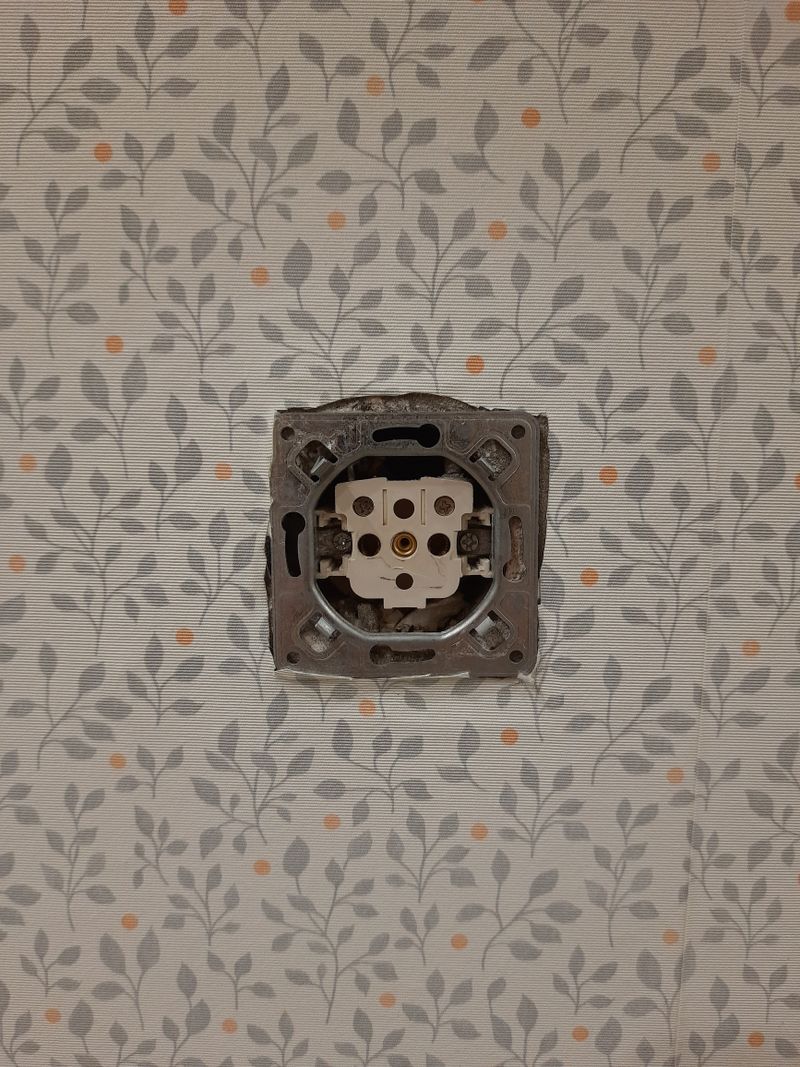
The safest two-prong outlet upgrade depends on what you need the receptacle to do. GFCI protection can reduce shock risk without rewiring, but it does not create an equipment ground. A new grounding conductor or grounded branch-circuit cable is the stronger option when equipment grounding, surge protection, or modernization matters.
Before choosing, have the wiring method and box evaluated. Some older systems use grounded metal raceway or armored cable even though a two-slot receptacle is installed; others have no reliable equipment grounding path. A three-light plug tester cannot settle every case.
Compare the four main options
| Option | What it provides | What it does not provide | Best fit |
|---|---|---|---|
| New two-prong receptacle | Like-for-like connection for two-prong plugs | GFCI protection or equipment grounding | Preserving an existing ungrounded location where allowed |
| GFCI receptacle or upstream GFCI protection | Fast interruption for certain current leakage and access to three-slot replacement configurations where permitted | An equipment grounding conductor | Shock-risk reduction when rewiring is not yet practical |
| Add an equipment grounding conductor | A grounding path when installed to a permitted grounding point and wiring method | New hot/neutral conductors or correction of deteriorated cable | Sound existing wiring that otherwise remains suitable |
| Rewire the branch circuit | New conductors, grounding path, boxes or routing as scoped, and a chance to address circuit layout | Automatic panel capacity or service upgrades | Broad renovation, deteriorated wiring, high-use rooms, or grounded equipment needs |
Local rules may narrow these choices. Treat the NEC overview as a map of concepts, then confirm the locally adopted edition and amendments with the authority having jurisdiction (AHJ).
Option 1: Keep a two-prong receptacle
A listed non-grounding replacement can be the least invasive choice where local rules allow it. It avoids implying that a grounding path exists and accepts ordinary two-prong plugs without an adapter.
This option does not add ground-fault protection and will not accept a three-prong equipment plug. It is a maintenance choice, not a modernization strategy. Cracked devices, loose plug grip, warm cover plates, brittle insulation, or crowded/damaged boxes still require correction.
Never remove the grounding pin from a cord or use an adapter with an unattached grounding tab. Those shortcuts defeat the equipment’s intended fault path.
Option 2: Add GFCI protection
Publicly available NFPA 70 development material for the long-standing replacement rule describes two common approaches where no equipment grounding conductor exists:
- Replace the two-prong device with a GFCI-type receptacle marked No Equipment Ground.
- Install a grounding-type receptacle supplied through GFCI protection and mark it GFCI Protected and No Equipment Ground.
The exact section numbering and wording can shift between code editions, so the adopted local rule controls. The NFPA public code record documents the replacement concept; it is not a substitute for the edition enforced at your address.
A GFCI compares outgoing and returning current and opens the circuit when leakage indicates a possible shock path. The CPSC GFCI fact sheet specifically notes that GFCIs can replace older ungrounded two-slot receptacles when the supplied no-equipment-ground label is used.
The limitation that matters
GFCI protection is not grounding. A plug-in tester will generally still indicate open ground. Metal appliance cases do not gain a grounding conductor, and a surge protective device may not provide its expected modes of protection without one. Equipment instructions may require a grounded circuit even if the plug physically fits.
Use our GFCI and AFCI guide to compare protective functions, but have an electrician identify LINE/LOAD conductors and labeling when one GFCI will protect downstream receptacles.
Option 3: Add a real equipment grounding conductor
Depending on the adopted code and existing wiring method, an electrician may be able to route an equipment grounding conductor to a permitted grounding point without replacing the entire branch-circuit cable. This can be useful when the hot and neutral conductors are otherwise sound and access is reasonable.
The route cannot be improvised to a random water pipe, nearby screw, neutral terminal, or unrelated conductor. A neutral-to-ground jumper at the receptacle—often called a bootleg ground—can energize exposed metal during a fault and fool simple testers.
An electrician should verify continuity, conductor sizing, connection points, box bonding, and whether the existing cable insulation remains serviceable. If old wiring is brittle or altered, selective grounding can become false economy.
Option 4: Rewire the circuit
Rewiring provides a dedicated equipment grounding conductor and allows the circuit to be reconsidered as a system. The scope may include new cable, boxes, receptacles, AFCI or GFCI protection, permits, wall access, and repairs.
It becomes more compelling when:
- Several two-prong outlets serve electronics or grounded appliances
- Insulation is brittle, damaged, or associated with obsolete wiring methods
- The circuit is overloaded or poorly distributed
- Renovation already opens walls or ceilings
- Kitchen, laundry, garage, basement, or outdoor use has changed
- You need reliable grounding for equipment instructions or surge-protection planning
Our house rewiring cost guide explains scope drivers without pretending every older home needs the same project.
Questions to answer before accepting a quote
- Is there already a valid grounding path? Ask how it was tested, not just whether a three-light tester illuminated.
- Which code edition and local amendment apply? Confirm labeling, tamper resistance, AFCI/GFCI, permit, and inspection requirements.
- What will each receptacle support? List computers, appliances, audio gear, shop tools, medical equipment, or surge protectors that require special attention.
- What is included? Clarify devices, boxes, cable or grounding conductor, wall repair, permits, testing, labels, and cleanup.
- What remains ungrounded? A partial project should leave a clear map and durable labels.
Use the electrical permit guide to prepare local questions and the electrician handoff checklist to record outlet locations, visible damage, connected equipment, and access constraints.
Choose protection by function
Choose a GFCI retrofit when the permitted goal is shock-risk reduction and required labels make the limitation clear. Choose grounding-conductor work or rewiring when equipment needs a real fault-current path or the old circuit needs broader correction. Do not let a three-slot face become a promise the wiring cannot keep.
Connect outlet protection to the larger wiring plan
Compare GFCI behavior, receptacle replacement, rewiring scope, and local permit questions before choosing an upgrade.
- GFCI and AFCI protection
Understand why shock protection and arc-fault protection serve different functions.
- Standard outlet considerations
Review device ratings, conductor condition, and stop-work boundaries for receptacle work.
- House rewiring scope and cost
Place individual outlet upgrades in the context of aging or widespread ungrounded wiring.
- Permits and inspections
Prepare questions about the adopted code, labels, inspection, and allowed retrofit path.

Amperage HQ Editorial Team
Independent trade-focused editorial team