Generator Interlock vs Transfer Switch: Which Is Safer?
Quick answer
A listed panel-specific interlock can safely prevent utility and generator breakers from being on together, while a transfer switch provides dedicated source switching and may automate standby operation. The right choice depends on the panel listing, generator type, neutral arrangement, load plan, local approval, and need for automatic operation.
Source note: Reviewed against NEC Article 702 concepts and generator-safety guidance from FEMA and CPSC in August 2026. Installation requires permits and qualified electrical work.
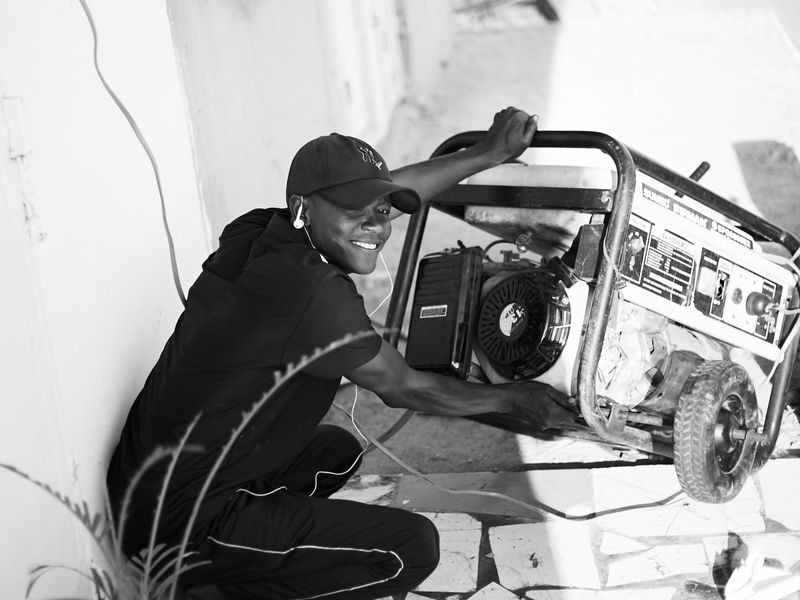
Both systems aim to prevent generator power from backfeeding the utility. An interlock mechanically blocks the main and generator breakers from being on together; a transfer switch switches designated loads or the service between sources. A homemade backfeed cord is never an alternative—it can electrocute utility workers and energize exposed plug pins.
Comparison
| Decision factor | Panel interlock | Manual transfer switch | Automatic transfer switch |
|---|---|---|---|
| Generator | Usually portable | Usually portable | Usually permanent standby |
| Operation | Manual at main panel | Manual at transfer equipment | Detects outage and transfers automatically |
| Loads available | Any panel circuit, managed by user | Selected circuits or service-rated arrangement | Selected loads or whole service with load management |
| Compatibility | Exact listed kit and panel required | Listed/rated switch required | Generator controls and service arrangement must match |
| Outage when nobody is home | No restoration | No restoration | Can restore selected loads automatically |
| Load discipline | User must shed loads at breakers | Selected circuits simplify control | Controller/load-shed modules may manage demand |
Code and equipment questions
The authority having jurisdiction decides what it will approve. The electrician must verify listing, service rating, overcurrent protection, inlet and conductor sizing, grounding/bonding, neutral switching, signage, and whether the transfer equipment is suitable for use as service equipment.
Neutral treatment is especially easy to get wrong. Whether the generator is a separately derived system depends on how the neutral is switched and bonded. Do not modify a generator bond or choose a three-pole/four-pole switch from a generic diagram; follow the generator and transfer-equipment instructions and the adopted code.
Choose based on operation
An approved interlock is often practical when a capable person will wheel out a portable generator, connect it outdoors, shut off the main, enable the generator breaker, and actively keep total load within generator capacity. It preserves access to panel circuits but makes the operator responsible for load management.
A manual transfer panel makes critical circuits obvious and reduces operational guesswork. An automatic transfer switch fits a fixed standby generator, unattended refrigeration or sump loads, accessibility needs, or frequent outages—but it introduces more controls and installation scope.
Use the generator sizing guide to build a realistic starting/running-load list and the panel and load-calculation guide to distinguish service calculations from generator load planning. The broader manual-versus-automatic transfer switch guide covers sequence and equipment types.
Once you have narrowed the equipment path, use the generator transfer-switch handoff worksheet to record essential loads, panel and site constraints, permit requirements, and questions for the electrician before requesting quotes.
Pre-quote checklist
- Panel make, model, service rating, and available listed interlock
- Generator model, receptacle ratings, neutral-bond information, and manual
- Essential loads with starting and running watts
- Fuel/storage location and safe outdoor operating location
- Inlet route, cable distance, weather exposure, and permit/inspection rules
- Whether automatic operation or load shedding is required
FEMA advises operating generators outdoors and away from openings because carbon monoxide can kill; see FEMA generator safety. CPSC also publishes portable generator safety guidance. Have the finished system permitted, inspected, labelled, and tested under a documented operating sequence.

Amperage HQ Editorial Team
Independent trade-focused editorial team