Lighting Circuit Troubleshooting Guide
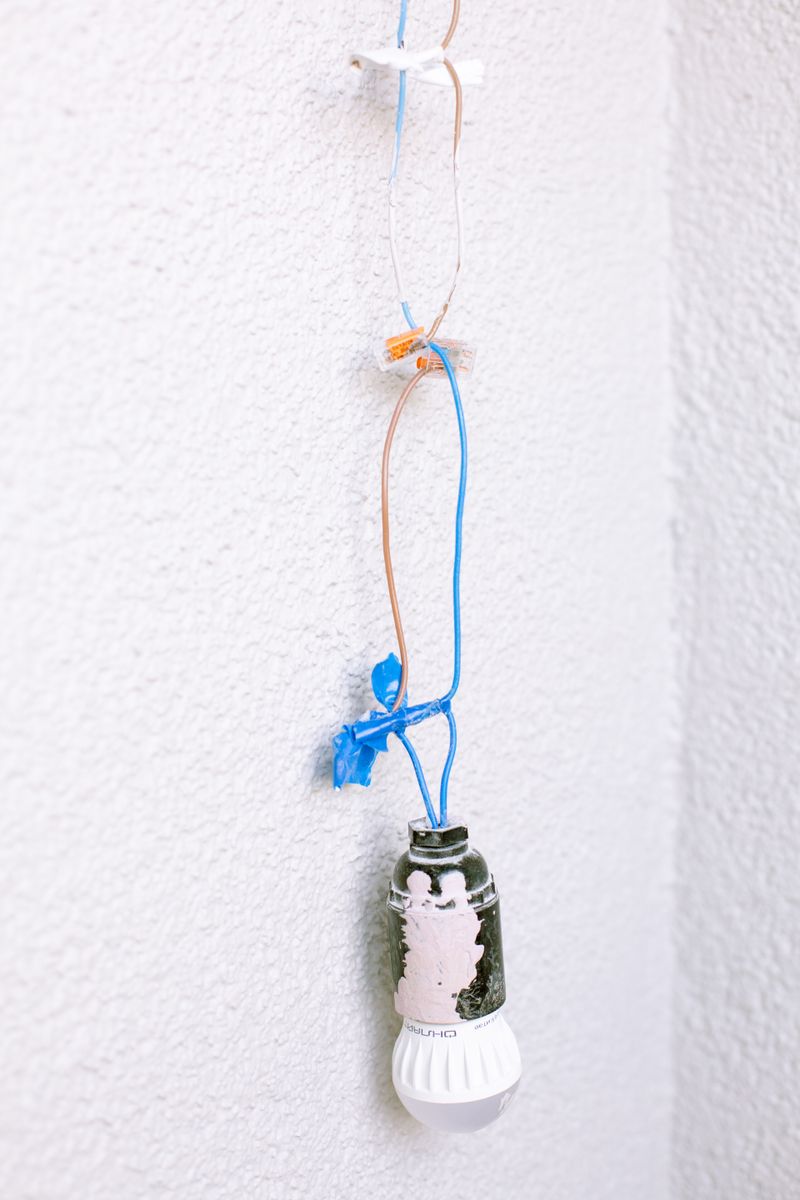
A lighting problem can range from a burned-out bulb to a failing circuit breaker or loose connection in the wall. Systematic troubleshooting finds the cause quickly — and helps you avoid unnecessary parts replacement. This guide walks through the most common lighting circuit problems and how to diagnose them.
Start Here: The Diagnostic Hierarchy
Before touching anything, follow this order:
- Check the obvious: Is the bulb burned out? Is a switch in the wrong position?
- Check the breaker: Has a breaker tripped in the panel?
- Test the outlet or fixture: Is there voltage at the fixture?
- Check the switch: Is the switch functioning?
- Inspect connections: Are all wire connections secure?
- Test wiring continuity: Are the conductors intact?
Most lighting problems resolve at steps 1–3. Don’t skip to step 5 or 6 without ruling out the simpler causes first.
Tools You’ll Need
- Non-contact voltage tester
- Multimeter (preferred for detailed diagnosis)
- Flathead and Phillips screwdrivers
- Flashlight or headlamp
- Replacement bulbs (for testing)
- Wire nuts
Problem: Light Won’t Turn On
Check the Bulb First
Swap in a known-good bulb. LED and CFL bulbs fail more gracefully than incandescents — they may dim significantly before fully failing, making them harder to diagnose by appearance alone. Always try a replacement bulb before anything else.
Check the Circuit Breaker
Go to your panel and look for any breakers in the tripped position (middle position between ON and OFF). Even if a breaker looks like it’s in the ON position, a tripped breaker may appear fully ON in some panels. Push any suspect breaker fully to OFF, then back to ON.
If the breaker trips again immediately when you turn on the light, there’s a short circuit or overload. See “Problem: Breaker Trips When Lights Are On” below.
Test for Voltage at the Switch
Turn off the breaker. Remove the switch cover plate and gently pull the switch from the box. Restore power and use your non-contact tester or multimeter to check:
- Is there voltage at the switch’s hot terminal (with switch OFF)?: If no voltage, the problem is upstream — a loose connection between the panel and the switch
- Is there voltage at the switch’s load terminal (with switch ON)?: If there’s voltage at the hot terminal (power coming in) but not at the load terminal with the switch ON, the switch is bad — replace it
- Is there voltage at the load terminal but the light still doesn’t work?: The problem is downstream — between the switch and the fixture
Test for Voltage at the Fixture
Turn off the breaker. Remove the fixture and expose the wire connections. Restore power and test with your non-contact tester at the fixture connections:
- No voltage: problem is between the switch and fixture (loose connection or broken wire)
- Voltage present: problem is the fixture itself (bad socket, broken lamp holder, failed ballast in fluorescent fixtures)
Problem: Light Flickers
Flickering has several causes, and the fix depends on identifying which one:
Bulb and Socket Issues
- Loose bulb: Tighten the bulb in the socket
- Corroded socket contacts: Turn off power, use fine sandpaper to clean the contact tab at the bottom of the socket
- Incompatible bulb and dimmer: LED and CFL bulbs are not universally compatible with dimmers — check the dimmer’s compatibility list or use dimmable LED bulbs listed for the dimmer you have
Loose Connections
A loose wire connection anywhere in the circuit — at the fixture, switch, or in a junction box — creates intermittent contact. The connection heats under load, expands, makes contact, cools, contracts, and breaks again.
Turn off the breaker. Inspect every wire connection in the circuit: fixture, switch, any junction boxes. Tighten all screw terminals and verify wire nuts are secure (tug each wire). A connection that’s come partially loose will often show blackening from arcing.
Voltage Fluctuations
If multiple lights in the house flicker simultaneously — especially when a large appliance starts — the issue is voltage sag from the service entrance or overloaded circuits, not the fixture itself. This may indicate undersized service or a utility issue. Contact your utility if flickering correlates with appliance operation across many circuits.
AFCI Breaker False Trips
Loose connections can cause arc-fault breaker nuisance trips. If your lights are on an AFCI circuit and the breaker trips intermittently, inspect all connections in the circuit for looseness before replacing the breaker.
Problem: Breaker Trips When Lights Are On
Overloaded Circuit
If the circuit has many high-wattage fixtures, the total load may exceed the breaker’s rating. Calculate the wattage of all fixtures on the circuit. A 15A, 120V circuit has a maximum of 1,800W continuous load, but the NEC limits continuous loads to 80%, meaning 1,440W practical maximum.
Modern LED fixtures draw far less power than incandescents — replacing old fixtures can eliminate overloads.
Short Circuit
A short circuit — where a hot conductor contacts neutral or ground — causes the breaker to trip nearly instantly. Symptoms:
- Breaker trips immediately when switched on, not after a delay
- Possible burning smell or visible scorching
Turn off the breaker. Inspect fixture wiring connections and switch connections for any conductor touching another that shouldn’t. Check if wires are pinched in a box or cover plate. Use your multimeter to test for continuity between hot and neutral, and between hot and ground — continuity where there shouldn’t be indicates a short.
Ground Fault
A ground fault — hot conductor touching ground (often through moisture or damaged insulation) — also trips breakers. On GFCI-protected circuits, the GFCI trips instead. If a GFCI is tripping repeatedly under a lighting fixture, investigate moisture in the fixture or a damaged cord.
Problem: Switch Works But Light Stays Dim
Wrong Dimmer for LED Bulbs
Most older dimmers were designed for incandescent bulbs. When used with LED bulbs, they may only dim to 30–40% before the LED stops responding and stays lit at that reduced level. Use a dimmer listed as compatible with your specific LED bulbs.
Minimum load issues are also common with LEDs — dimmers require a minimum load to function properly, and a single LED bulb may fall below the minimum. Check the dimmer’s minimum load specification.
Neutral Sharing Issues
In multi-switch circuits where neutrals are shared across multiple poles, certain loads can create voltage on the “neutral,” causing dimming issues. This is more common in commercial settings but can occur in residential circuits with unusual wiring configurations.
Problem: Only Part of a Circuit Works
Tripped GFCI Upstream
If some outlets or fixtures on a circuit work and others don’t, look for a GFCI device that’s tripped. GFCI outlets protect all “load” side devices downstream of them. Find the GFCI outlet for that circuit (often in a bathroom, kitchen, or garage) and press RESET.
Broken Wire in Junction Box
In older homes, wire connections in junction boxes were sometimes made with electrical tape rather than wire nuts — these fail over time. Inspect any accessible junction boxes in the circuit.
Failed Splice
Wire nuts can come loose over years of thermal cycling. Any splice that was too lightly twisted or using an undersized wire nut is a failure point. Re-inspect all splices in the circuit.
When to Call an Electrician
Call a licensed electrician if:
- A breaker trips immediately and repeatedly and you can’t locate the fault
- You see burning, scorched wire, or melted insulation anywhere in the circuit
- Multiple circuits are affected simultaneously
- The panel itself is showing signs of heat (burning smell, discoloration)
- Your home has knob-and-tube or aluminum branch circuit wiring
Systematic troubleshooting resolves most lighting problems without an electrician. But when the problem involves the panel, service entrance, or unknown wiring faults — professionals with proper PPE and testing equipment are the right call.
See Also
- Wiring a 3-way switch — if one location of a two-switch circuit isn’t working, a miswired 3-way switch is a common culprit; this guide explains how the circuit should be configured
- GFCI and AFCI outlet installation — AFCI breaker nuisance trips and tripped upstream GFCIs are two of the most common causes of partial lighting circuit failures
- Circuit breaker types and replacement — when a breaker trips repeatedly or won’t reset, it may need replacement; learn how to diagnose and swap it safely If lights change specifically when a motor or large appliance starts, use the dimming-lights decision path to distinguish a brief inrush dip from urgent neutral, connection, or service symptoms.
Troubleshoot lighting symptoms without opening live equipment
These resources connect flicker, trips, overloaded loads, and visible handoff notes for a safer electrician visit.
- Breaker and GFCI trip safety decision tree
Document when the circuit trips and what was running without removing covers.
- Electrician handoff checklist
Gather safe photos, device labels, and symptom timing before service.
- Electrical safety basics
Review why live troubleshooting belongs to qualified people with proper procedures.

Amperage HQ Editorial Team
Independent trade-focused editorial team