Loose Neutral Wire Symptoms: What to Do
Quick answer
A loose neutral may cause lights to flicker, dim, or become unusually bright; devices on different circuits may change when a 120-volt load starts. Bright-and-dim behavior across unrelated rooms, tingling from metal, heat, odor, buzzing, or partial power needs urgent professional attention. Do not open the panel or test live wiring: report widespread voltage symptoms to the utility and arrange a licensed electrician if the utility side is normal.
Common questions
- Can a loose neutral make lights get brighter?
- Yes. On a shared neutral or a typical 120/240-volt residential service, a compromised neutral can let voltage rise on one group of 120-volt loads while it falls on another. Brightening and dimming across different circuits is an urgent warning pattern, not proof of the fault location.
- Will a loose neutral trip a breaker?
- Not necessarily. A standard breaker responds primarily to overcurrent and may not trip when a poor neutral connection causes unstable voltage or heat at the connection. Normal-looking breaker handles do not clear the condition.
- Can a plug-in outlet tester find a loose neutral?
- A basic three-light tester may flag an open neutral at the tested receptacle, but it cannot rule out an intermittent, high-resistance, shared, service, or utility neutral problem. It also does not safely locate the failing connection.
- Should I call the utility or an electrician first?
- For widespread flickering, high-or-low voltage, partial power, storm-related service symptoms, or bright-and-dim behavior across unrelated rooms, report a voltage problem to the utility promptly. For a symptom confined to one circuit, call a licensed electrician. If the pattern is unclear or severe, contact both and describe it precisely.
Source note: Reviewed in September 2026 using ESFI warning signs, British Columbia electrician apprenticeship training on open-neutral voltage behavior, PG&E and FPL voltage-reporting guidance, and OSHA de-energization requirements. Symptoms can prioritize a response but cannot locate or clear a fault.
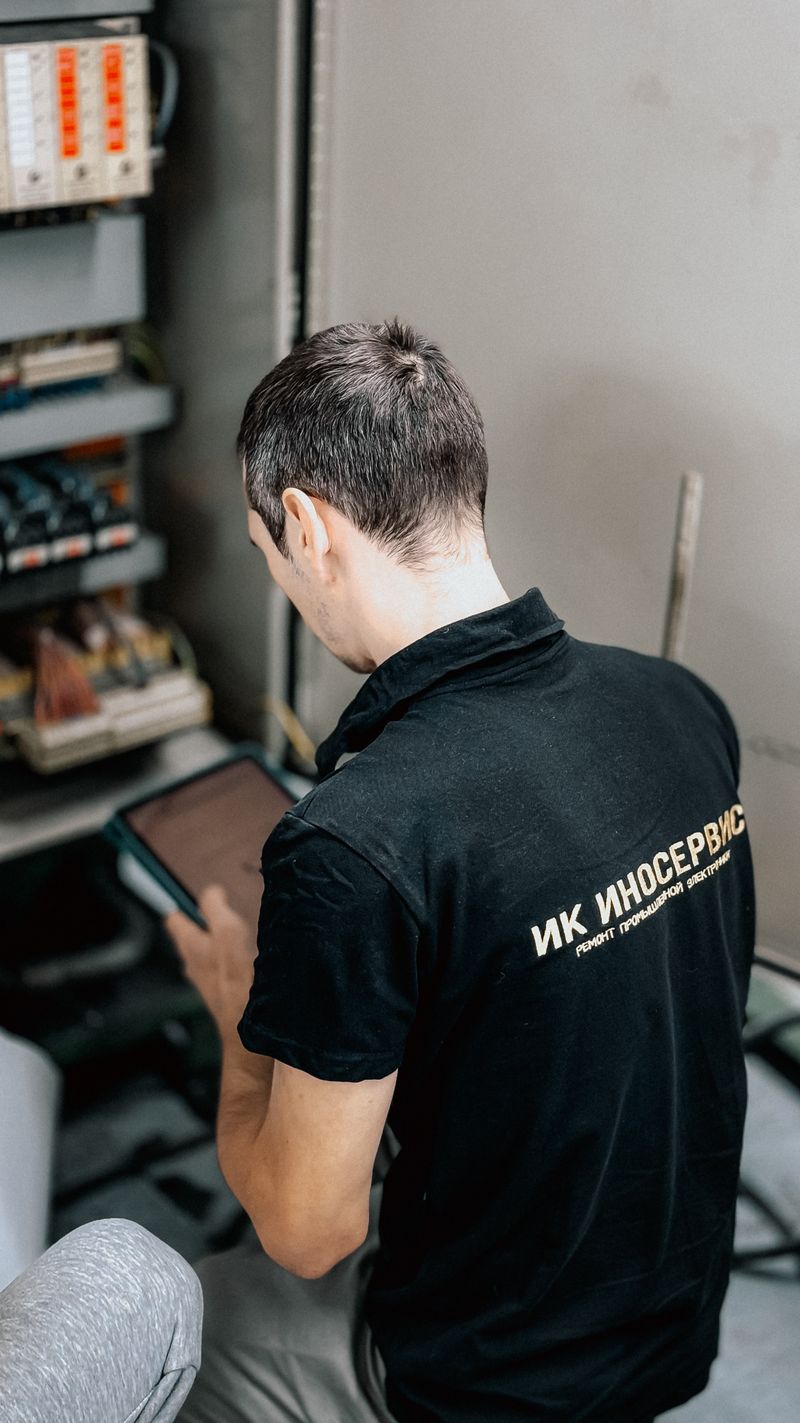
The strongest loose neutral warning is not ordinary flicker: it is lights on unrelated circuits becoming unusually bright and dim as household loads change. You may also notice widespread flickering, electronics restarting, partial power, warmth, buzzing, or a tingle from metal equipment.
The fault could be in a branch-circuit splice, a shared neutral, the main panel, the meter, service conductors, or utility equipment. Because some locations remain energized even when the main is off, diagnosis and repair are not DIY work.
First decide how urgent the pattern is
| What you observe | Safe response |
|---|---|
| Smoke, flame, active arcing, or a strong burning odor | Leave the area, call 911, and notify the utility from a safe location. Do not touch the panel or use water. |
| Downed or damaged service wire, sparking meter equipment, or a tree on a line | Stay well away and call 911 and the utility’s emergency line. Treat every line as energized. |
| Lights brightening in one area while dimming in another, especially across unrelated circuits | Stop using large loads with their normal controls, protect sensitive electronics only when plugs are safe to reach, and report unstable voltage to the utility immediately. Arrange an electrician if the utility side is normal. |
| Tingle or shock from an appliance, faucet, pipe, switch, or equipment case | Stop touching the object, keep others away, and seek emergency utility/electrical help. Do not test nearby metal by hand. |
| Flicker, odor, heat, buzzing, or discoloration confined to one switch, outlet, or circuit | Stop using the affected equipment. If the breaker can be reached without approaching heat, odor, water, or damage, leave the circuit off and call a licensed electrician. |
The Electrical Safety Foundation International lists flickering or dimming lights, burning odors, discolored switches, warm outlets, and a tingle from equipment among signs that can indicate a serious wiring problem. No online checklist can declare those symptoms safe.
Loose neutral symptoms by scope
Map the symptom’s scope without removing a cover, probing a receptacle, or switching heavy loads to reproduce it.
| Symptom pattern | Possible direction, not a diagnosis | Who should investigate |
|---|---|---|
| One LED lamp flickers but other lights remain stable | Loose bulb, incompatible dimmer, failed driver, fixture, or local connection | Start with the lamp manufacturer’s instructions; use an electrician for fixed wiring or persistent symptoms |
| Several devices on one branch circuit flicker or cut out | Branch neutral, hot connection, splice, device, or circuit problem | Licensed electrician |
| Unrelated rooms change brightness together | Panel, service, utility supply, or shared-neutral problem | Utility voltage report plus licensed electrician as needed |
| Some lights become brighter while others dim | Compromised shared or service neutral is a serious possibility | Utility urgently; electrician if supply-side testing is normal |
| Half the house loses power or 240-volt equipment stops working | Lost service leg, main connection, or other partial-power fault | Use the partial-power outage triage guide and call the utility |
| A brief, slight dip occurs only when a motor starts | Motor inrush or voltage drop may be involved | Compare the separate appliance-start dimming decision path |
Utility disturbances, loose hot conductors, failed equipment, incompatible LED controls, overloads, and poor connections can overlap. Use the map to route help, not name the repair.
Why a neutral problem can create bright-and-dim lights
The neutral is a normal current-carrying return conductor, not a backup ground. In a typical U.S. 120/240-volt dwelling service, it holds the two groups of 120-volt loads near their intended voltage even when the load on each side is different.
If the shared service neutral opens or becomes resistive, load voltages can shift as appliances switch. One group may receive less voltage while another receives more. A British Columbia Construction Electrician Apprenticeship Program example shows this open-neutral behavior in a 120/240-volt three-wire circuit: one group of loads receives 109.1 volts while the other receives 130.9 volts. That is why paired brightening and dimming is more concerning than every light dipping together briefly.
The detailed panel arrangement is covered separately in our split-phase power explainer. You do not need to identify panel legs or take voltage readings to make a useful safety report.
Use this no-contact observation worksheet
Record household observations. With changing conditions or an emergency sign, call first and document later.
| Observation | What to record |
|---|---|
| Start and duration | Date, time, how long the behavior lasts, and whether it is worsening |
| Scope | One lamp, one circuit, several unrelated rooms, the whole home, or a multi-unit building |
| Bright versus dim | Which lights become brighter than normal and which become dimmer at the same time |
| Load correlation | Equipment that was already operating when the change occurred; do not turn loads on to test |
| Other symptoms | Restarts, failed bulbs, unusual sounds, odors, heat, discoloration, shocks, or partial power |
| Recent events | Storm, outage restoration, tree damage, utility work, renovation, new equipment, or generator use |
| Neighbor check | Whether a nearby customer noticed the same fluctuation, if you can ask without delaying the report |
| Service details | Utility account address, meter location, and safe exterior photos taken from a distance |
Use the electrician handoff checklist to organize the notes. A phone video can help, but do not remain in danger or stage the event.
What not to do
- Do not remove the panel deadfront or meter cover. Line-side service parts may remain energized when the main is off.
- Do not tighten a white conductor or neutral-bar screw. A qualified person must establish conductor identity, torque, equipment condition, and the source.
- Do not use a multimeter in an energized panel. OSHA guidance requires a qualified person and suitable test equipment to verify de-energization where workers could be exposed.
- Do not treat a three-light outlet tester as an all-clear. Read our outlet tester limitations guide before relying on a plug-in indication.
- Do not start large loads to make the lights change. Reproducing unstable voltage can further stress equipment.
- Do not substitute the equipment grounding conductor for a neutral or install a neutral-to-ground jumper. Grounding and neutral conductors have different functions outside the service bonding point.
- Do not connect a portable generator to house wiring without approved transfer equipment. Backfeeding adds a lethal hazard for occupants and utility workers.
Local ownership, permit, and inspection rules vary. Service or fixed-wiring work may require utility coordination, a licensed contractor, a permit, and inspection.
Utility or electrician: who handles what?
Utilities such as PG&E accept reports for high or low voltage, partial power, and flickering lights. PG&E says it investigates service voltage and may install a recording voltmeter when an initial visit does not find the problem. FPL likewise tells single-family customers to report flickering or fluctuating power and describes dimming or brightening as a voltage fluctuation.
Responsibility can change at the service point and by jurisdiction:
- The utility can inspect its transformer, service drop or lateral, splices, and service voltage on the supply side it owns.
- A licensed electrician can diagnose customer-owned service equipment, the main panel, feeders, multiwire branch circuits, splices, receptacles, and fixtures.
- The authority having jurisdiction determines adopted code, permits, inspection, and who may perform regulated electrical work.
Give a normal utility report or case number to the electrician. If the electrician finds a supply-side concern, ask for the measured pattern and utility coordination. Do not let an ownership dispute delay action while voltage remains unstable.
A call script that communicates the risk
Avoid leading with a self-diagnosis. Describe the pattern and let the responder determine the cause:
“Lights on unrelated circuits are changing brightness. Some become brighter while others dim when normal household loads change. It started at [time], affects [rooms], and [does/does not] include odor, heat, buzzing, shocks, or partial power. I have not opened the panel or tried to reproduce it. Please treat this as a voltage problem and check the service neutral and other supply connections.”
For one circuit, name the lights and receptacles affected and call a licensed electrician. Mention known recent work, but do not open boxes to investigate.
Next step: report, document, and keep the system undisturbed
Paired bright-and-dim behavior, widespread voltage changes, tingling metal, or any heat, odor, buzzing, damage, or partial power deserves prompt escalation. Call the utility for a widespread voltage problem and a licensed electrician for customer-owned wiring; contact both when the boundary is unclear.
Keep the notes, utility case number, and electrician findings together. Leave unstable equipment alone until the responsible qualified person has de-energized it, verified the condition, completed required repairs, and confirmed normal operation.
Sources
- PG&E: Report a voltage problem, accessed September 4, 2026
- Florida Power & Light: Power disturbance FAQs, accessed September 4, 2026
- Electrical Safety Foundation International: Electrical warning signs, accessed September 4, 2026
- BC Trades Modules: Construction Electrician Apprenticeship Program Level 1, D-2 Analyze DC Circuits, open-neutral example, accessed September 4, 2026
- OSHA: Verification requirements for electrical de-energization, accessed September 4, 2026

Amperage HQ Editorial Team
Independent trade-focused editorial team