Tandem Breaker vs Double-Pole Breaker: How to Tell
Quick answer
A tandem breaker places two independent 120 V branch breakers in one permitted panel position. A double-pole breaker uses two bus positions with a common trip to supply a 240 V or 120/240 V circuit. They solve different problems and are not interchangeable.
Source note: Product use must follow the panel label and breaker listing. Article reviewed against UL consumer guidance and NEC concepts in August 2026.
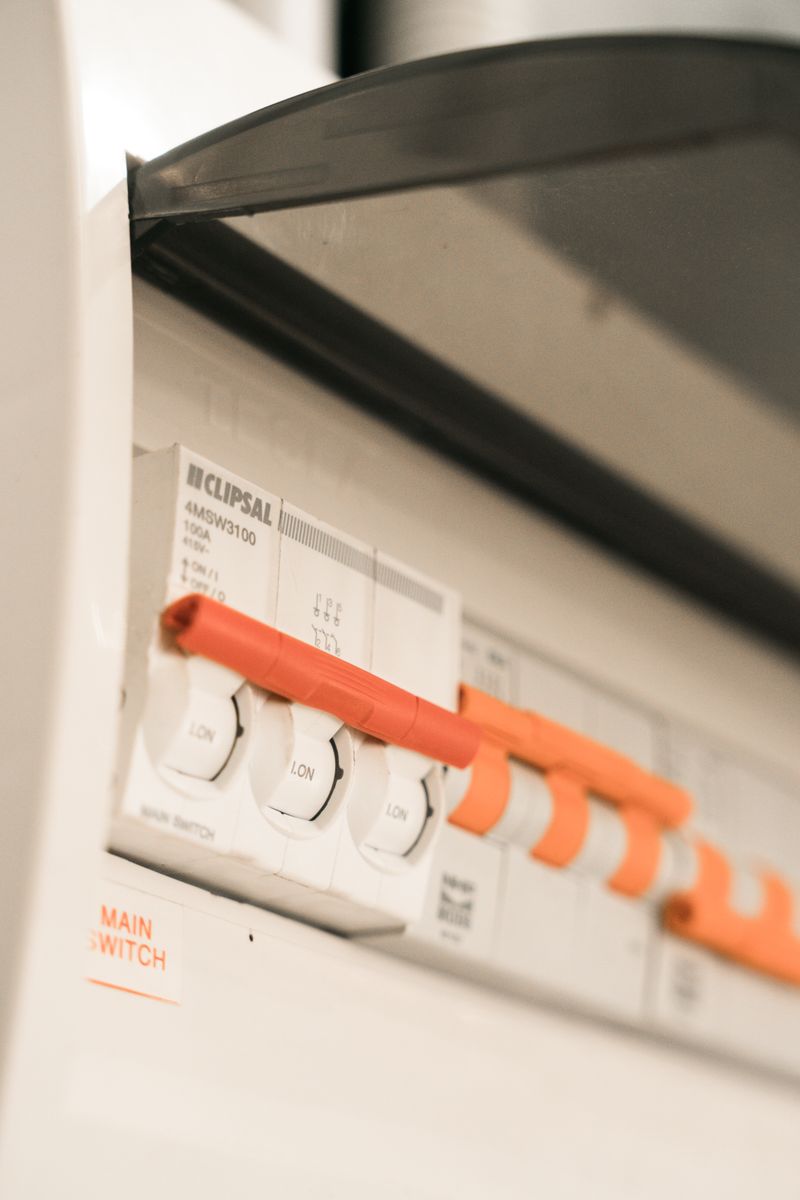
The visual clue—two handles—can mislead. A tandem contains two independent breakers in one full-size body; a double-pole breaker connects to both hot legs and has a common operating mechanism. Never choose by physical fit alone.
Side-by-side comparison
| Feature | Tandem breaker | Double-pole breaker |
|---|---|---|
| Typical output | Two separate 120 V circuits | One 240 V or 120/240 V circuit |
| Panel spaces used | One, only where panel label permits | Two adjacent spaces |
| Bus connection | One hot leg for each tandem position | Both hot legs |
| Trip relationship | Independent handles/trips | Common trip/common disconnect |
| Typical uses | Adding two ordinary branch circuits in an approved position | Dryer, range, HVAC, water heater, EVSE, feeder |
A handle tie alone does not turn two arbitrary breakers into the correct listed double-pole device. Multiwire branch circuits also have specific simultaneous-disconnect and shared-neutral requirements.
When tandem breakers are permitted
The panel’s wiring diagram and labelling identify whether tandems are allowed and in which positions. Some panels reject them mechanically; others accept them only in designated slots. The panel also has a maximum circuit count. Installing unlisted or incompatible breakers can create poor bus contact, overheating, and failed inspection.
Tandems create circuit space, not electrical capacity. Before adding loads, examine the panel upgrade and load-calculation guide and have a proper service calculation performed when warranted.
When a double-pole breaker is required
A 240 V load needs connection to both legs of a split-phase service. The equipment instructions specify breaker type, ampere rating, conductor requirements, and whether a neutral is also needed. Double-pole breakers are designed so both ungrounded conductors disconnect together and an overcurrent condition on either pole opens the circuit.
Do not infer conductor size from a generic chart. Temperature ratings, continuous-load rules, installation method, and voltage drop matter; start with the wire gauge guide, then follow the equipment listing and local code.
Safe identification checklist
Without removing the panel cover, record:
- Panel manufacturer, model, and circuit directory
- Breaker manufacturer and exact markings visible from the front
- Number of panel positions occupied
- Whether handles are independent, tied, or common
- Appliance nameplate and installation manual
Do not touch breakers with missing covers, scorch marks, looseness, or buzzing. A licensed electrician can compare every component with the panel label, inspect bus condition, calculate load, and determine whether a subpanel or service upgrade is the better solution.
Mistakes to avoid
- Do not install a tandem merely because the panel appears full; the position may not accept one, and the service may already be at its calculated limit.
- Do not use two independent single-pole breakers for a 240 V appliance. The required common-trip device must match the panel and load.
- Do not swap brands based on similar dimensions. Breaker-to-panel compatibility is an evaluated electrical and mechanical relationship, not a cosmetic match.
- Do not move shared neutrals casually. Multiwire branch circuits require correct phasing and simultaneous disconnect so the neutral is not overloaded and maintenance does not leave part of the circuit energized.
- Do not replace a repeatedly tripping breaker before finding the cause. Use the breaker-tripping safety check to document symptoms and decide when to leave the circuit off.
If a breaker or panel is buzzing, hot, or discoloured, stop treating the question as a space-planning exercise and follow the panel buzzing safety triage. Physical damage or poor bus contact may make panel replacement more appropriate than rearranging breakers.
UL explains why listed breakers must be evaluated with the panel in its Circuit Breaker Marking Guide. The adopted electrical code, local authority, manufacturer instructions, and equipment listings control any installation.

Amperage HQ Editorial Team
Independent trade-focused editorial team