Warm or Hot Electrical Outlet: Causes and Immediate Actions
Quick answer
A receptacle that is hot, discolored, loose, buzzing, sparking, or smells burnt should be taken out of service immediately. Unplug loads only if safe, switch off the circuit breaker, and have the outlet and circuit inspected rather than simply replacing the faceplate.
Source note: Reviewed against CPSC and NFPA electrical-safety guidance in August 2026. Never work on energized receptacle wiring.
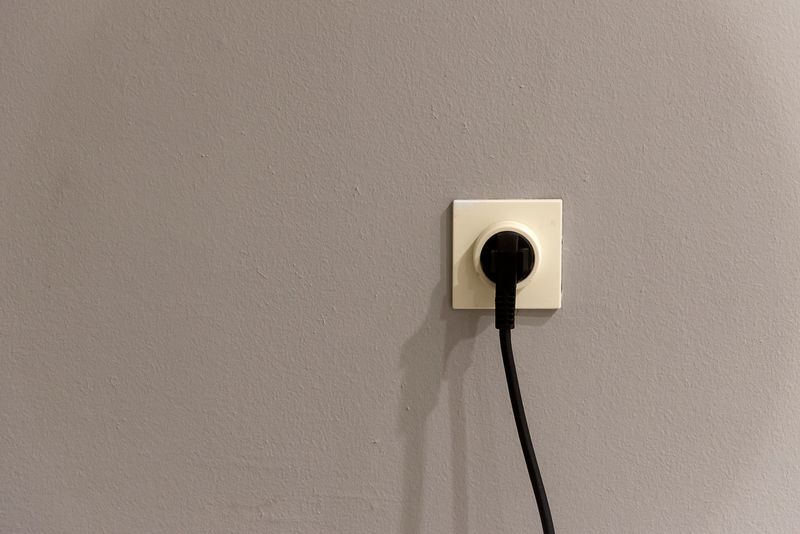
An outlet should not become painfully hot. Some plug-in power supplies, dimmers, GFCI electronics, and USB receptacles can feel mildly warm, but heat accompanied by odor, discoloration, looseness, buzzing, melting, or intermittent power is an urgent fault signal.
Immediate checklist
- If there is smoke or flame, leave and call emergency services. Do not use water on energized equipment.
- If there is no visible arcing and the plug is cool enough to handle safely, unplug the appliance by gripping the plug—not the cord.
- Switch off the labelled branch breaker. If labels are uncertain, use the main only when it is safe to approach.
- Keep the outlet unused and mark it so nobody restores the breaker casually.
- Call a licensed electrician, especially for scorching, melting, aluminum wiring, repeated trips, or heat that returns.
Do not test a suspect outlet by plugging the appliance back in. Do not cover damage with a new faceplate, and never increase the breaker size.
Common causes
| Possible cause | Useful clue | Why inspection matters |
|---|---|---|
| Loose terminal or worn receptacle contacts | Plug fits loosely; heat localised at one outlet | A high-resistance connection can overheat without a large overload |
| Circuit overload | Several heaters, kitchen appliances, or tools share the circuit | The circuit layout and conductor size must be checked |
| Damaged plug or appliance | Heat follows one device at different outlets | The appliance cord and plug may need replacement |
| Improper splice or back-wire connection | Intermittent power or downstream outlets fail | Hidden damage may extend into the box |
| Aluminum branch wiring | Home dates from the relevant era; AL markings | Repairs require approved methods and compatible devices |
| GFCI/USB electronics | Mild warmth with no odor or damage | Listing instructions define acceptable operation; abnormal heat still needs attention |
A cheap plug-in tester cannot rule out a loose connection or heat damage. An electrician may inspect the device, splices, conductor insulation, box fill, breaker match, and upstream/downstream connections, then test under controlled load.
Warm device or overloaded circuit?
Disconnect the load and leave the breaker off if there are any danger signs. Where the device was only slightly warm and there is no damage, record what was connected, its nameplate watts/amps, how long it ran, and what else lost power when the breaker was switched off. Resistive portable heaters and cooking appliances can consume most of a 15 A circuit by themselves.
Our outlet wiring guide explains receptacle components without making energized work acceptable. For recurring trips, use the breaker trip decision path. The extension-cord safety checklist explains when damaged temporary wiring should be retired.
If the heat began with a flash, pop, or visible arc while connecting a device, follow the outlet-sparking safety decision guide and do not reproduce the event with another plug.
Electrician handoff
Provide closed-face photos, the outlet location, breaker label, connected appliances, approximate run time, and whether nearby outlets also failed. Mention renovations, water exposure, pest damage, and known aluminum wiring. Use the electrician handoff checklist so the technician can arrive prepared.
The CPSC electrical safety guide and NFPA electrical resources reinforce removing damaged electrical products from service. Product listings, local code, and an on-site professional assessment determine the correct repair.

Amperage HQ Editorial Team
Independent trade-focused editorial team